Algae and Moss Growth on Roofs During Winter in The Woodlands, TX
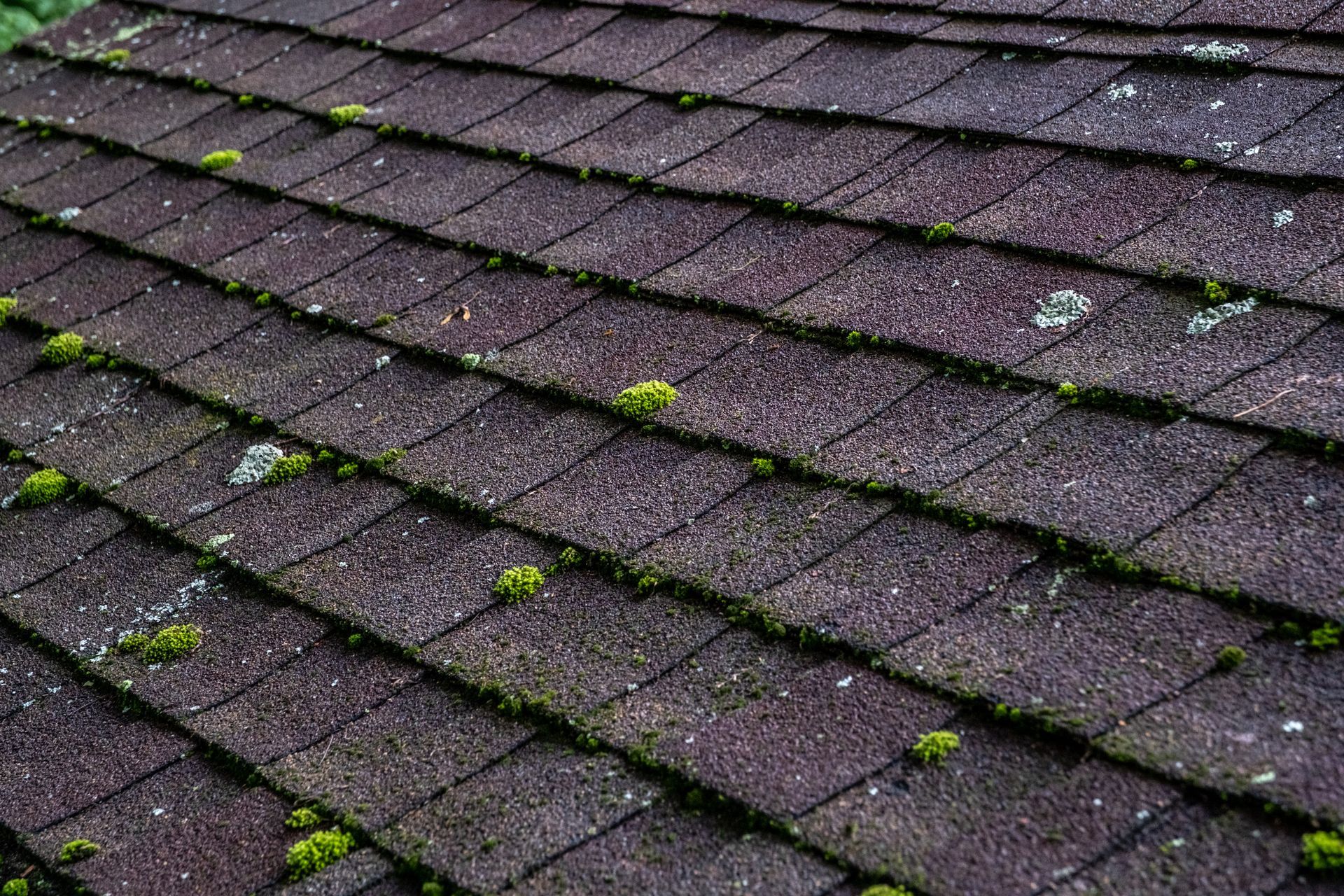
The combination of high humidity, frequent moisture and shaded rooflines in The Woodlands creates conditions where biological growth can persist year-round, even when temperatures are mild.
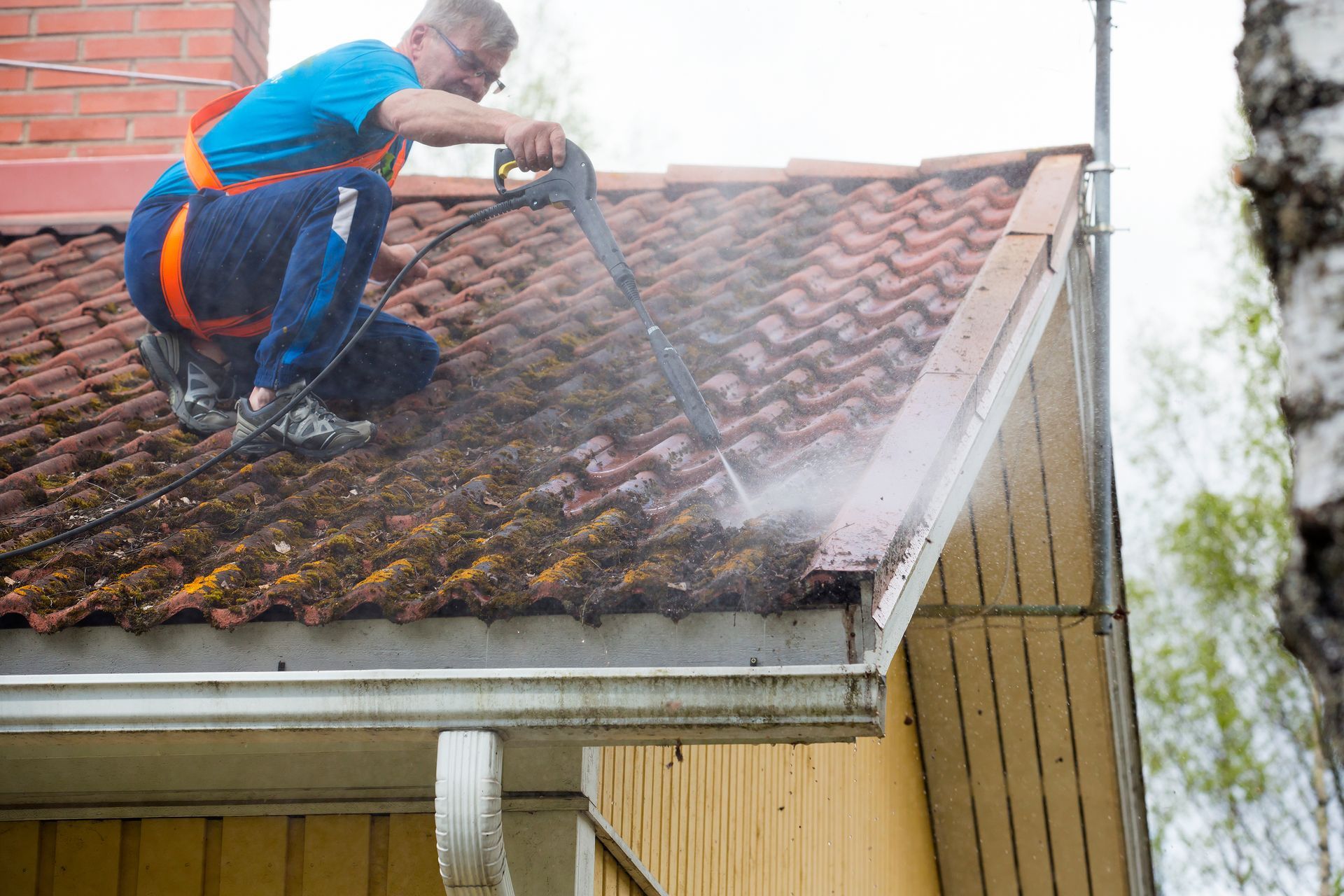
Homeowners are often tempted to address algae or moss themselves, but common DIY methods can be ineffective or damage roofing materials. Professional roofers use safer, proven approaches that protect both the roof and the homeowner.
Why Winter Roof Growth Is Common in The Woodlands
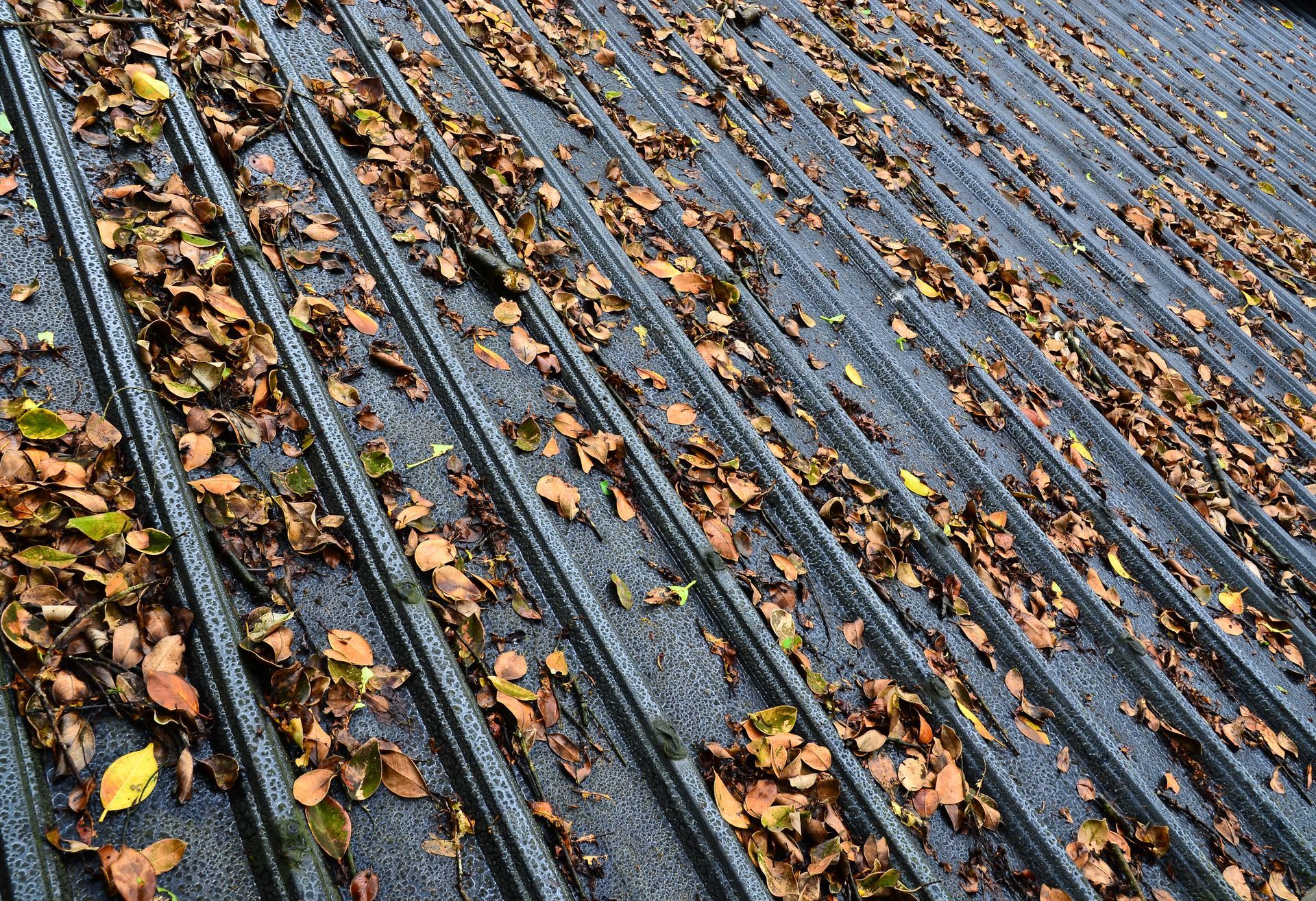
Unlike colder climates, where extended freezing temperatures can slow or halt organic growth, winter temperatures in The Woodlands rarely drop low enough to suppress algae or moss for long. The addition of dew, fog, light rain and overcast days also keeps roof surfaces damp for much of the season.
In addition to mild winter weather, factors like shaded rooflines, north-facing slopes and reduced sun exposure allow moisture to linger longer on certain roof sections, creating ideal conditions for algae and moss to persist.
Algae vs. Moss: An Important Distinction
Algae on Roofs
Algae is very common in The Woodlands and typically appears as dark streaking along shingle surfaces. It grows on the surface of roofing materials rather than penetrating them and is primarily a cosmetic concern. However, algae can slow drying time after rain or dew, which may contribute to faster shingle aging over time.
Moss on Roofs
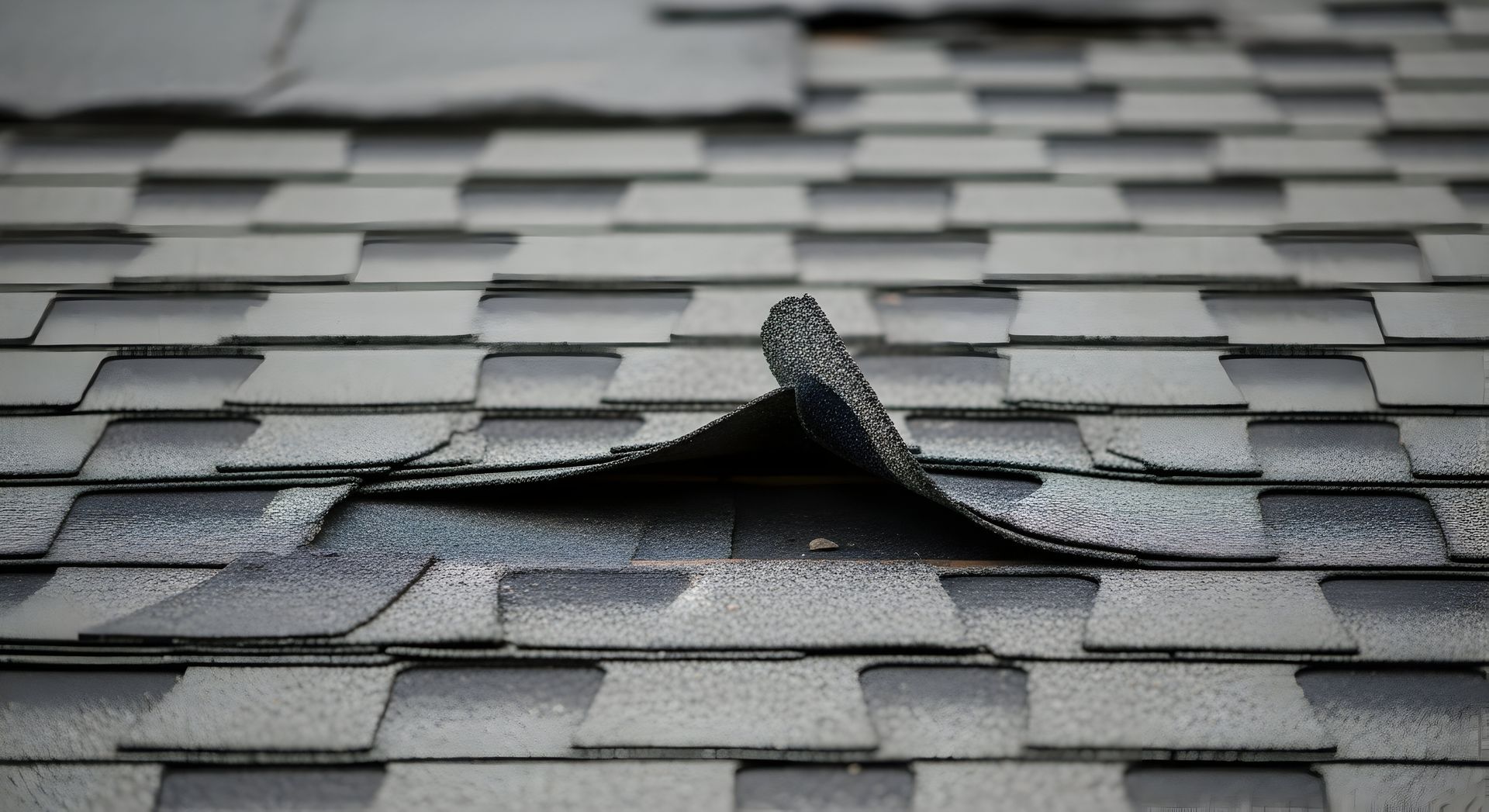
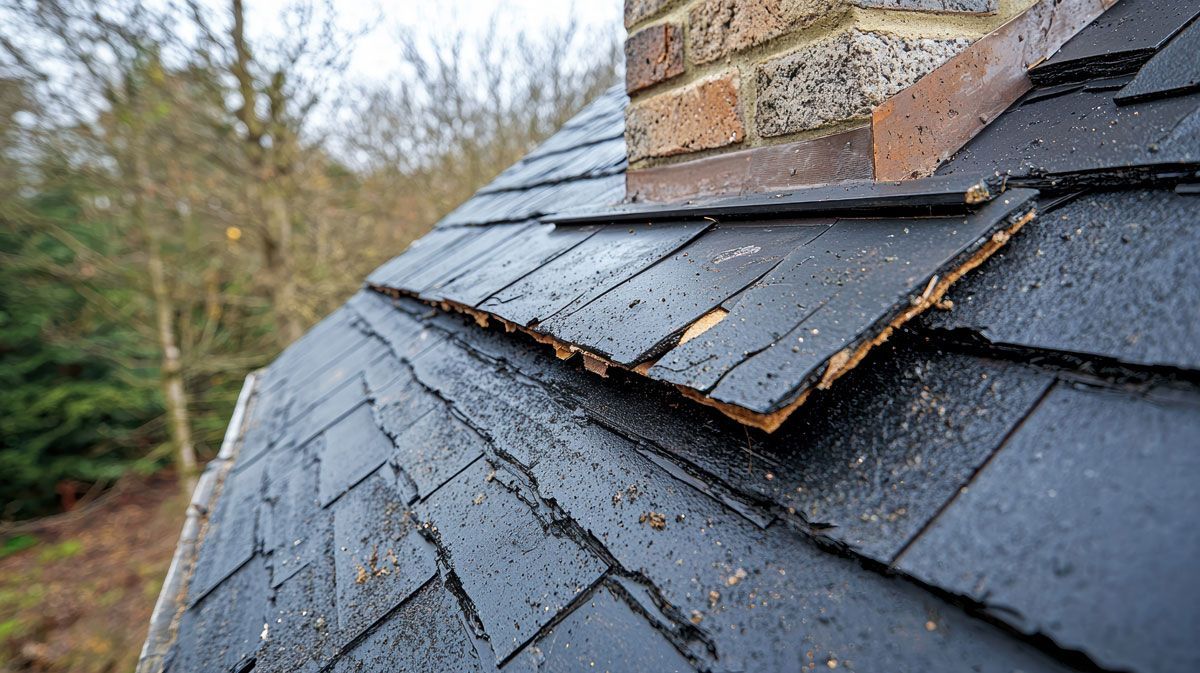
Moss is less common but more concerning, especially on shaded roof sections with persistent moisture. Unlike algae, moss grows thicker and holds moisture directly against the roof surface. As it expands, it can lift shingle edges, creating pathways for water intrusion and accelerating material deterioration.
Why Shaded Roof Areas Are Most Affected
In The Woodlands, tree coverage plays a major role in winter roof growth. Roof sections shaded by mature trees dry more slowly after rain or dew, creating ideal conditions for both algae and moss.
North-facing roof slopes are especially vulnerable because they receive less direct sunlight during winter. These areas may remain damp for much longer periods, even on dry days.
When growth appears only in specific sections rather than across the entire roof, shade and moisture retention are often the underlying causes.
What Winter Growth Indicates About Roof Conditions
Algae or moss growth does not automatically mean a roof is failing. In many cases, it simply reflects environmental exposure. However, growth patterns can still provide useful information, such as:
- Areas where moisture consistently lingers
- Reduced airflow or sun exposure
- Aging shingles that hold moisture longer
- Drainage patterns that keep certain sections damp
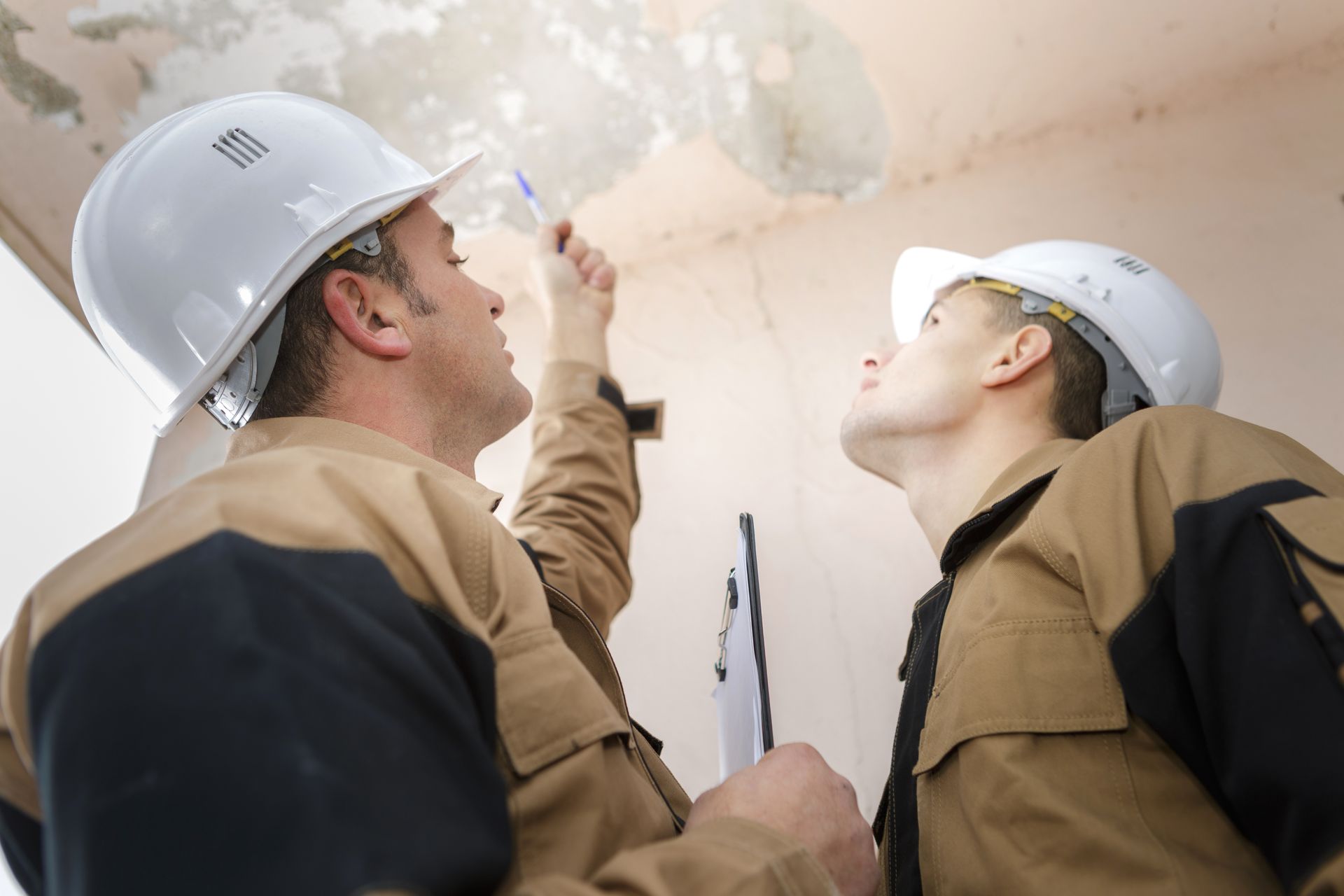
Professional evaluation helps determine whether growth is cosmetic, manageable or contributing to premature wear.
Why Improper Removal Can Cause Damage
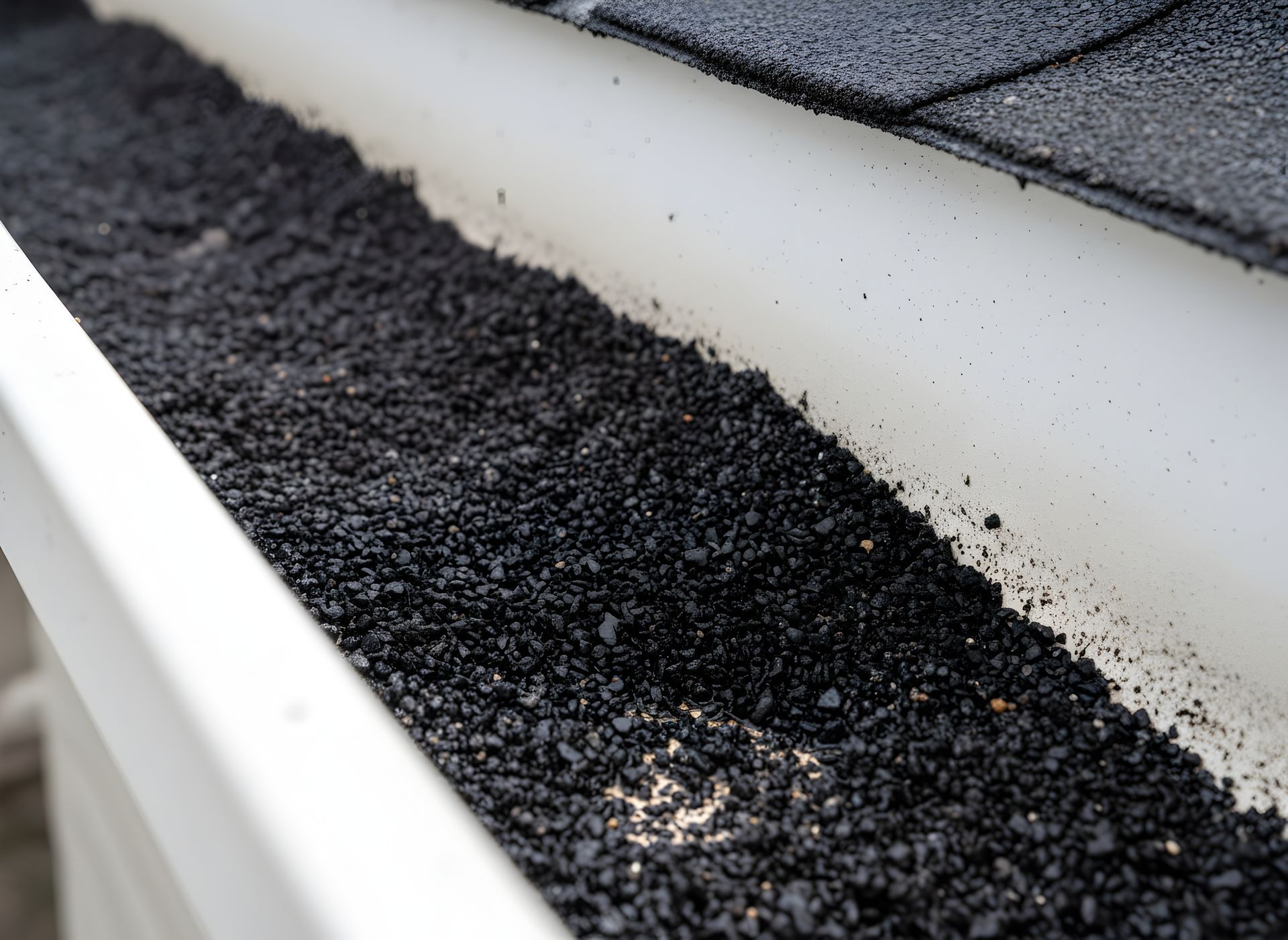
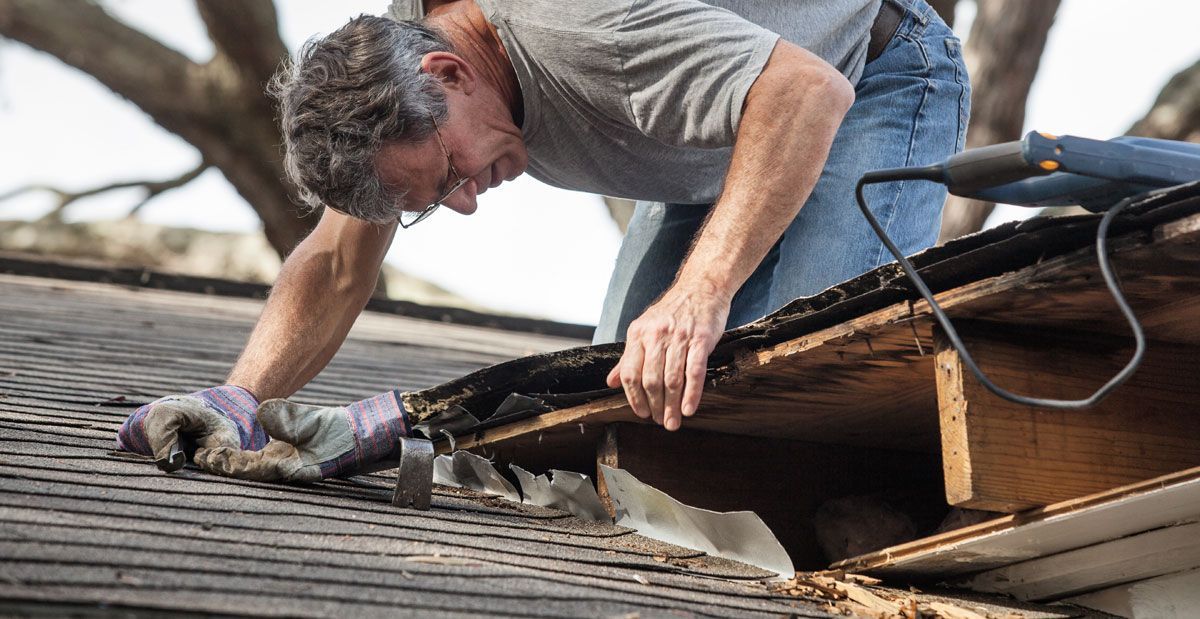
Not all roofing materials react the same way to moss or algae removal methods. Aggressive approaches such as scraping, pressure washing or harsh chemical treatments can strip protective granules, damage shingle surfaces or void manufacturer warranties. In many cases, improper removal addresses only the visible growth while accelerating underlying roof wear.
When Professional Evaluation Makes Sense
Not every instance of algae or moss requires immediate action, but there are situations where professional input is recommended. Call a roofer in The Woodlands if:
- Moss growth appears thick or spongy
- Shingle edges appear lifted or uneven
- Growth is spreading rapidly year to year
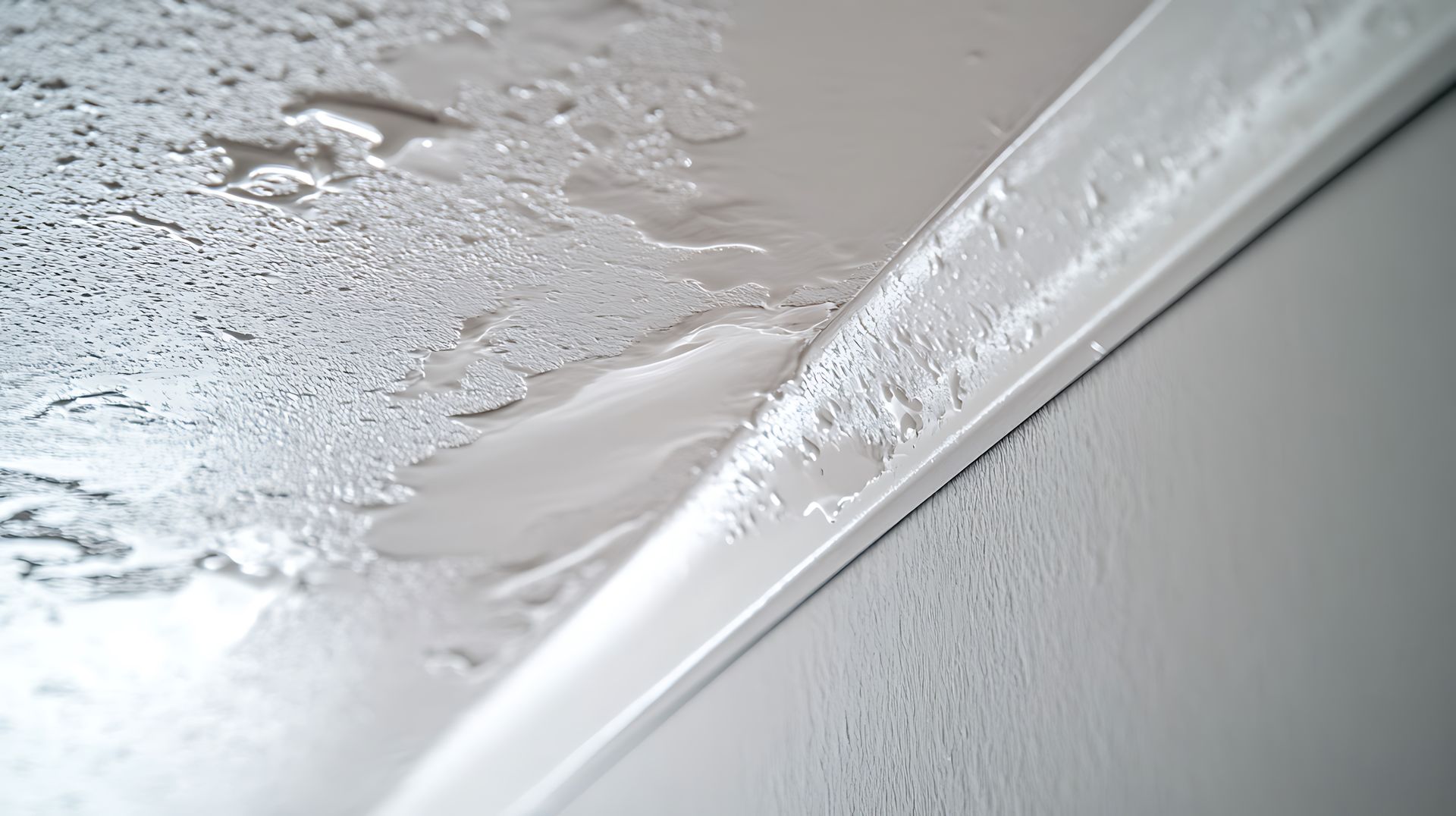
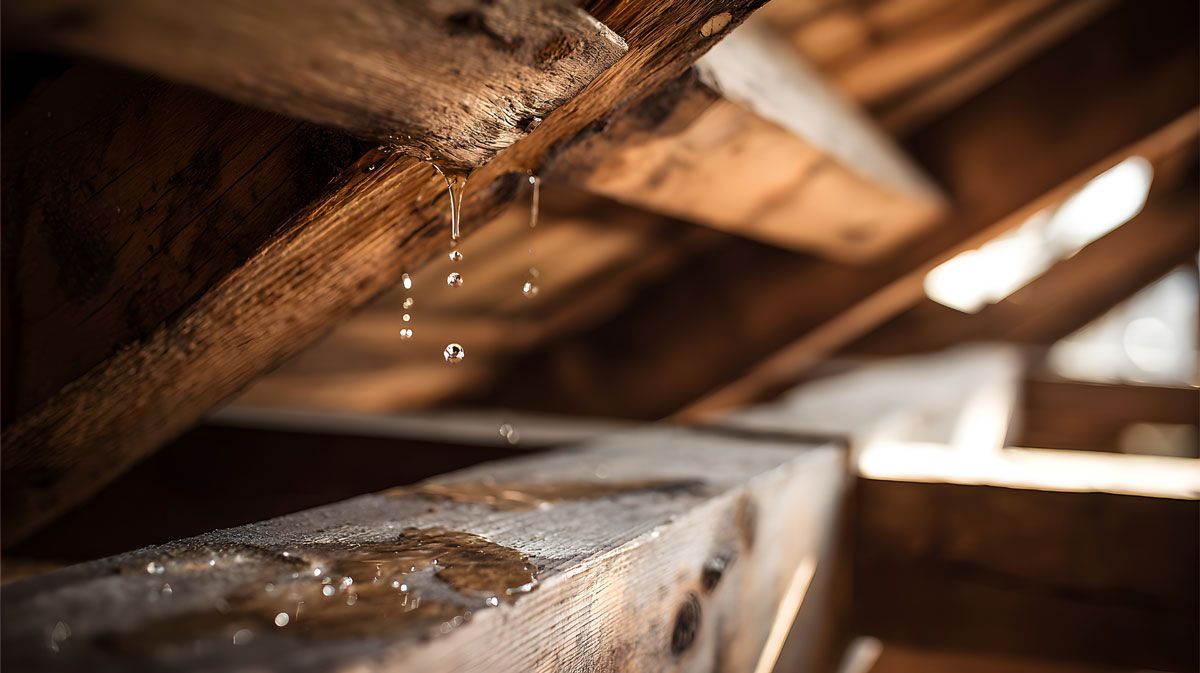
- Roof sections remain damp long after rainfall
An experienced roofer can determine whether cleaning, treatment or monitoring is the best course of action.
Winter Is a Strategic Time for Roof Inspections in The Woodlands
Winter often provides a quieter window to observe roof conditions, when attention can shift from storm response to early signs of wear, such as algae or moss growth. Identifying algae and moss growth early allows homeowners to plan appropriately rather than reacting to leaks or accelerated wear later.
Contact Perkins Roofing at (832) 702-0201 to schedule a professional assessment and protect your roof’s long-term performance.