How to Tell the Difference Between Condensation vs. “Real” Roof Leaks
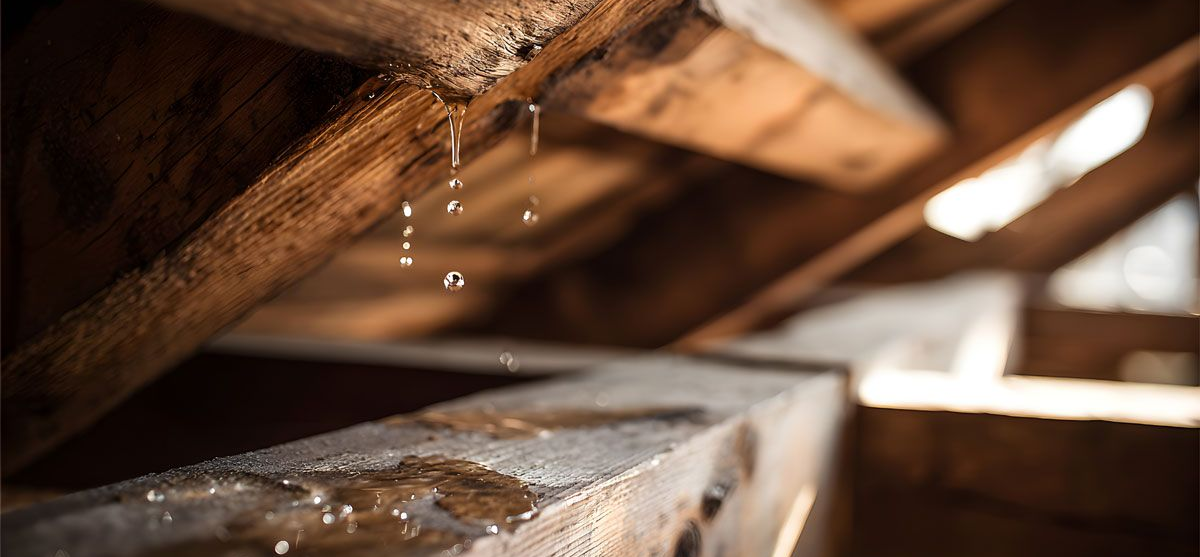
A wet attic or damp ceiling is always a reason to pay attention, but it is not always a sign of an active roof leak. In the Gulf region, where cool nights, high humidity, and sudden temperature swings are common, condensation can create moisture problems that look nearly identical to a leak.
Homeowners often climb into the attic expecting to find a clear exterior water entry point, only to discover that the moisture is coming from inside the home rather than outside.
Why Condensation Is So Common in Gulf Climates
On the Gulf Coast, warm days and cool, humid nights create a perfect environment for attic condensation. When exterior temperatures drop quickly after sunset, the roof deck cools down faster than the moist air trapped inside the attic. As that warm, humid air rises and meets the colder wood surface, it condenses into water droplets.
This is similar to how a cold drink “sweats” in summer. During cool, humid conditions, homeowners may notice:
- Wet or damp roof sheathing
- Moisture beads forming on nails or metal fasteners
- Small drops of water collecting on rafters
- A musty smell that seems to come and go
Because this moisture forms directly on the wood, it can look very similar to a leak.
Signs You’re Likely Dealing With Condensation
Condensation tends to follow specific patterns. If you notice the following, there is a high chance the moisture is coming from inside the attic, not from outside.
- Moisture appears only after cold nights: If the attic is dry during warm weather but damp after temperature swings, condensation is a likely culprit.
- The underside of the roof deck looks uniformly damp: Leaks usually produce localized wet spots. Condensation often covers large areas of sheathing.
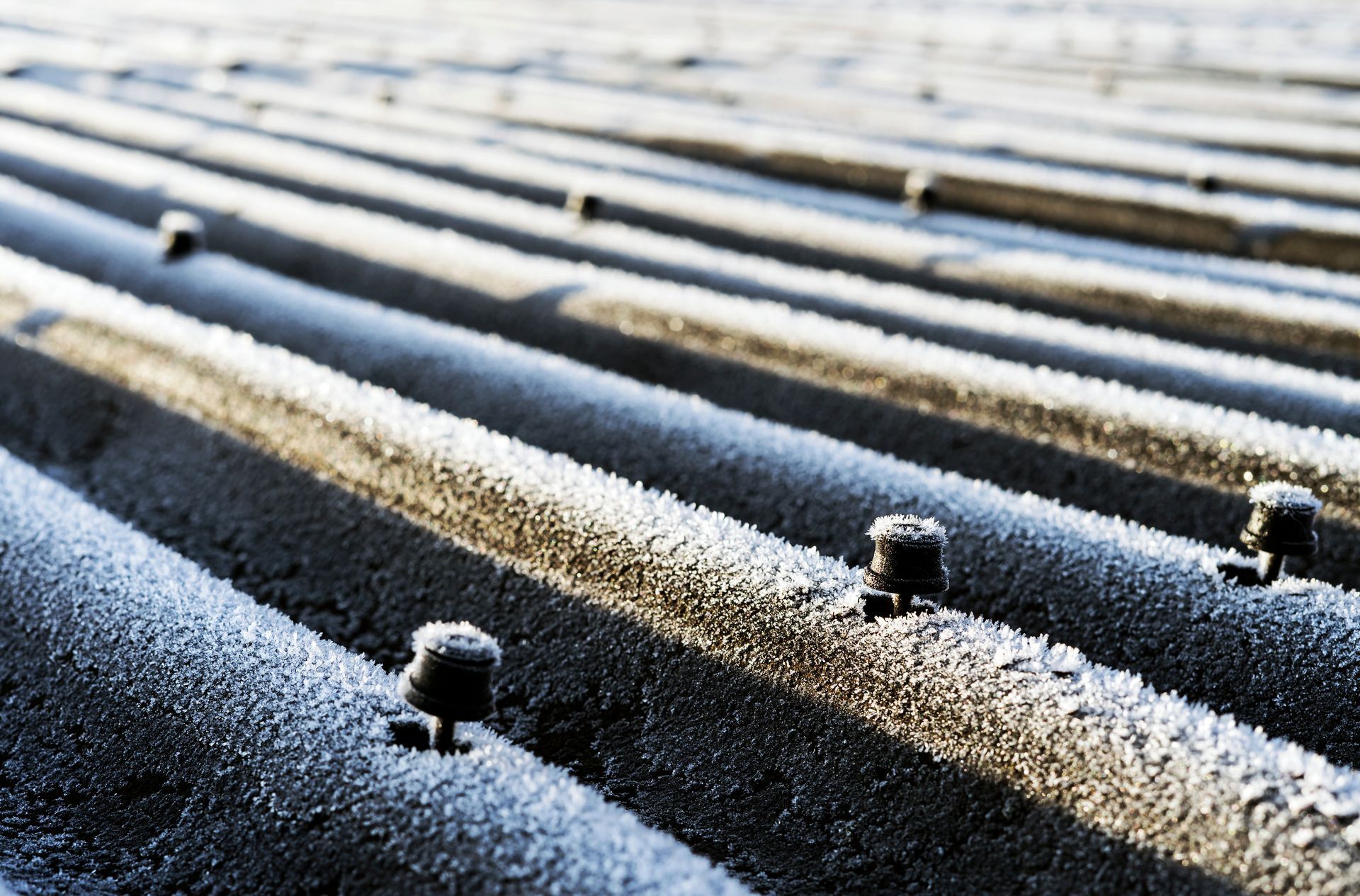
- Nail tips appear damp or rusted: Cool attic surfaces and humid air can cause condensation to form on exposed metal fasteners. As that moisture accumulates, it may drip onto insulation or ceilings and mimic a roof leak.
- No clear entry point exists: Leaks typically trace back to a specific damaged shingle, vent boot, flashing point or roof penetration. Condensation usually has no obvious source.
- The attic feels humid or poorly ventilated: Little airflow allows moisture to accumulate and cling to cold surfaces.
If these signs match what you are seeing, the issue may be ventilation, not a failed roof system.
What a “Real” Roof Leak Looks Like
A true roof leak means water is entering from outside and requires immediate action. The signs are noticeably different once you know what to look for.
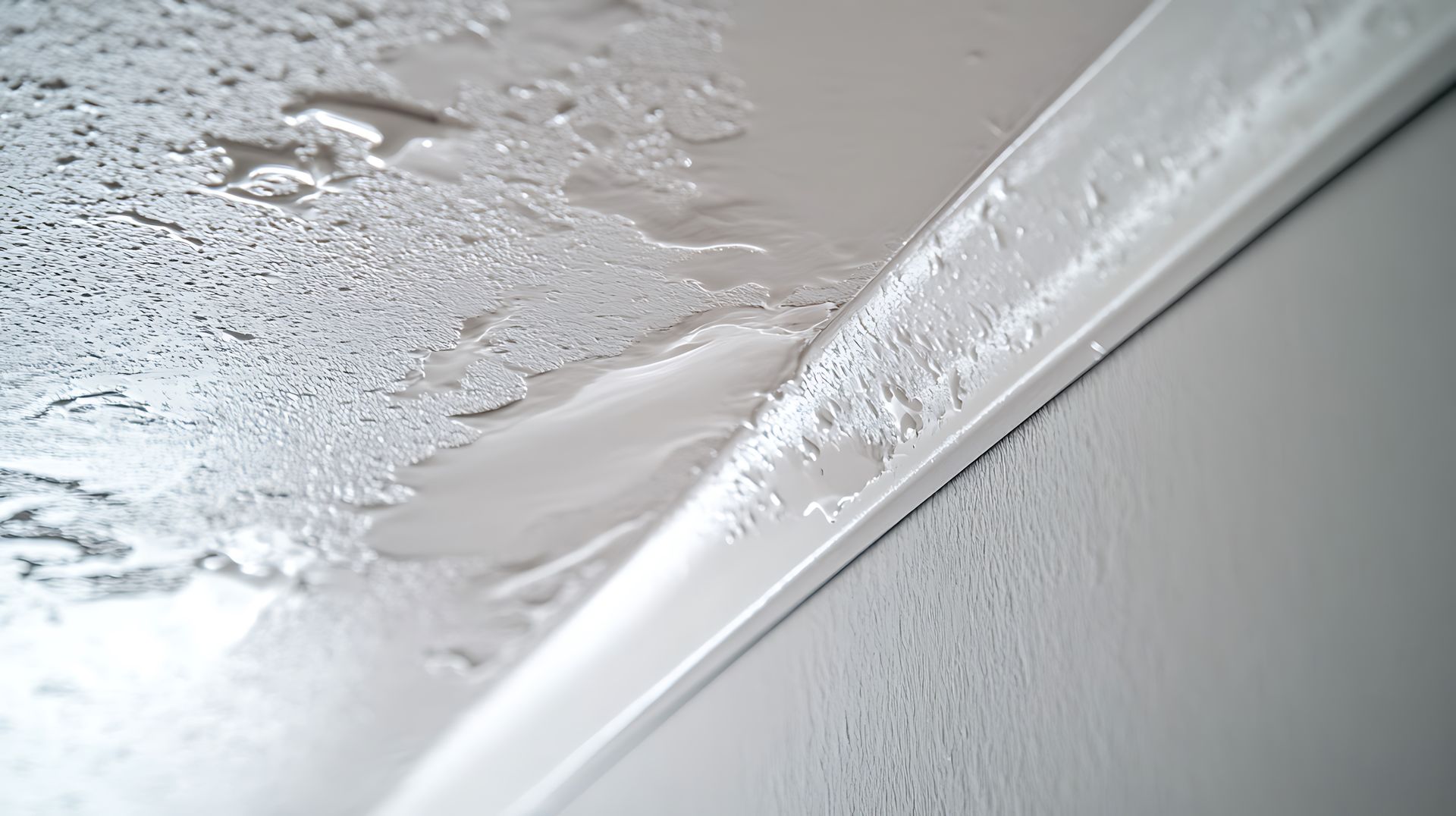
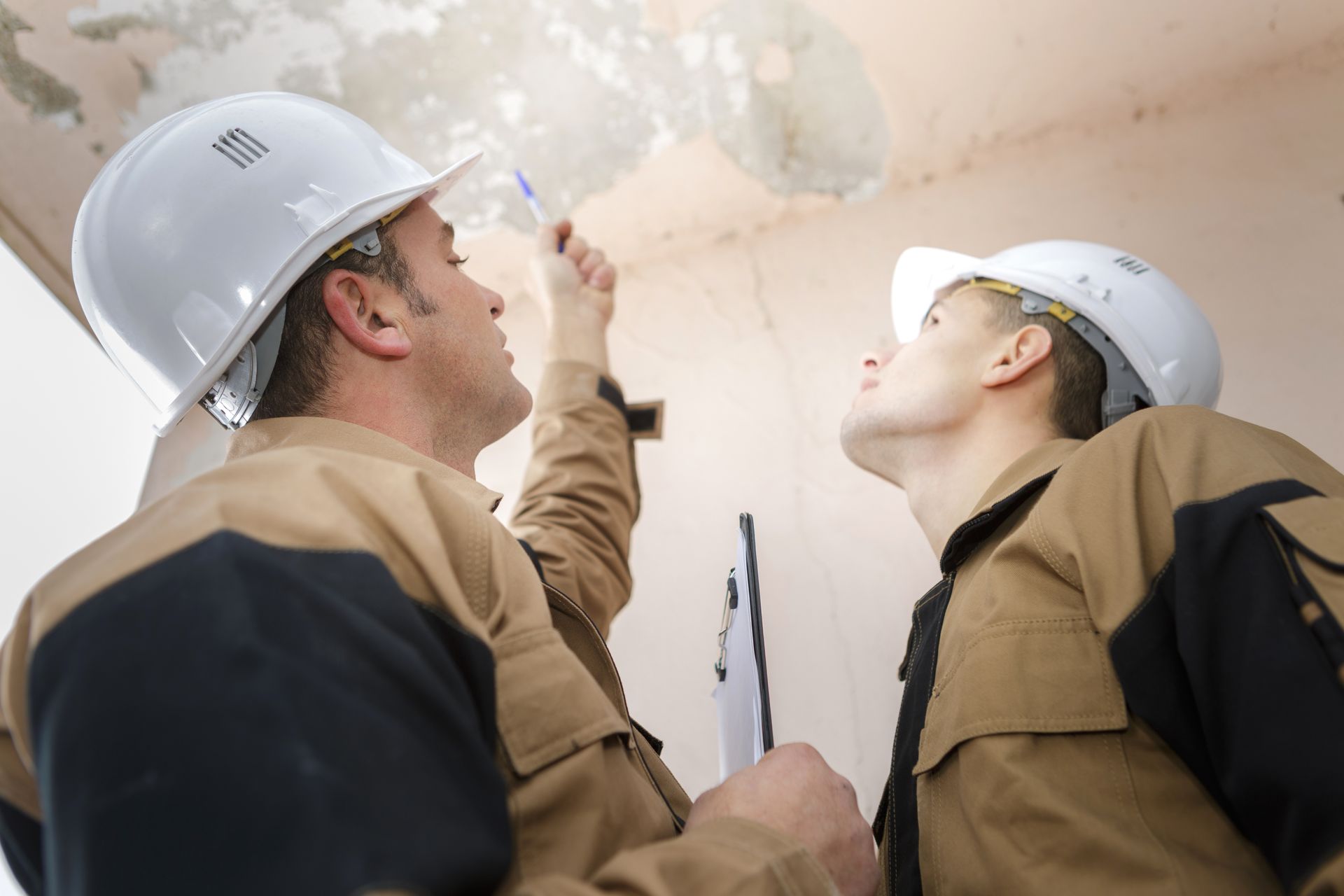
- Staining on ceilings or walls: Leaks often leave brown or yellow stains as water seeps through drywall.
- Isolated wet spots: Unlike condensation, leaks usually affect a specific area below the damaged section of roof.
- Mold growth concentrated in one place: Moisture from leaks creates persistent dampness that leads to mold in a defined location.
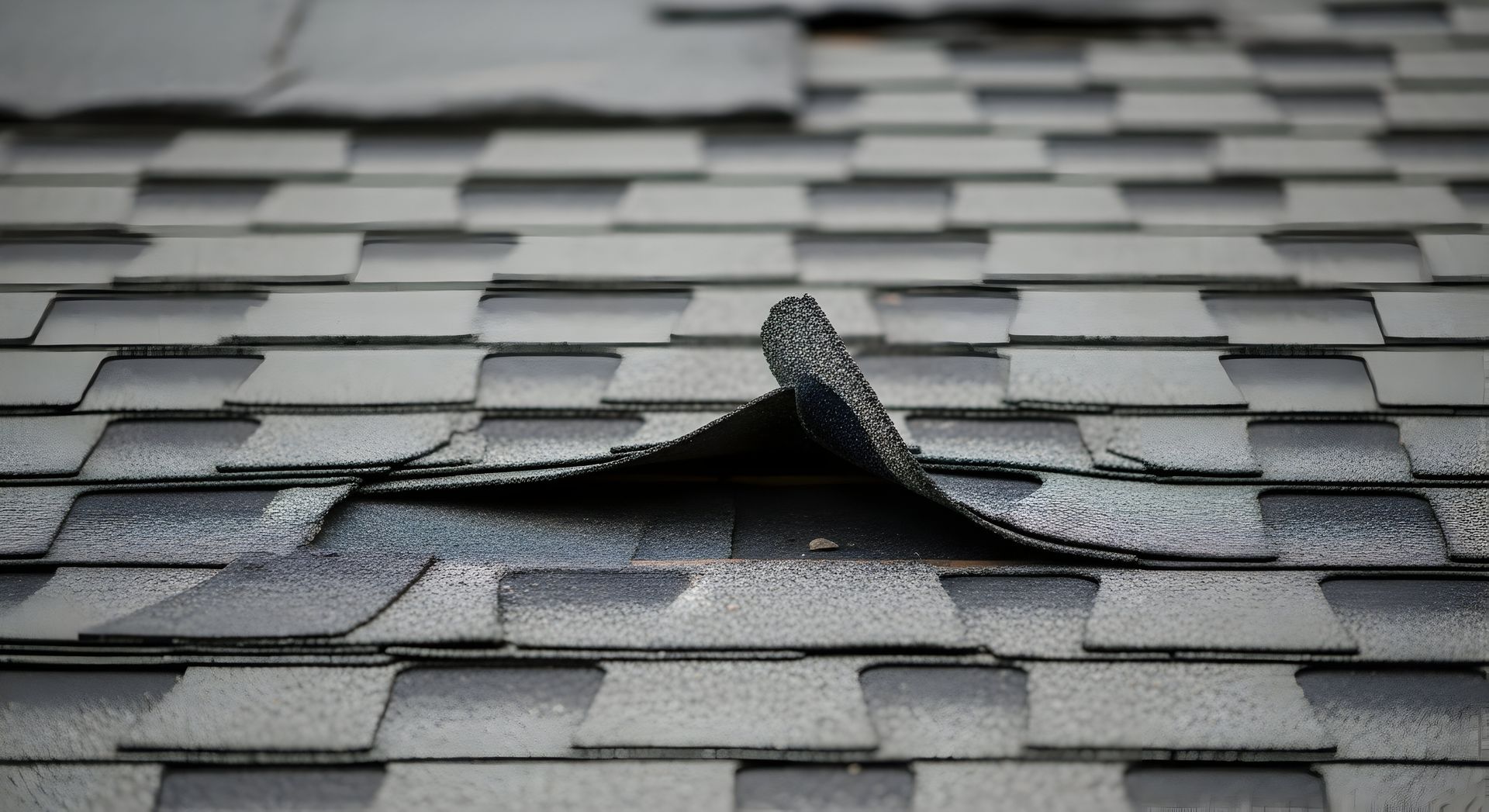
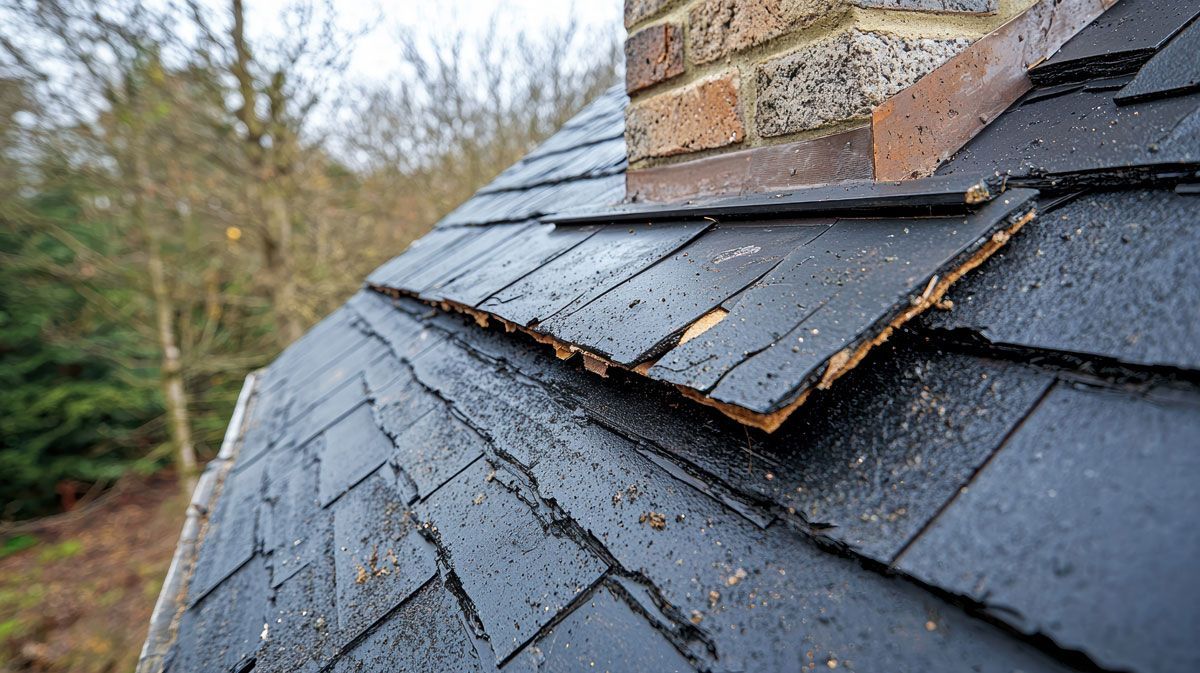
- Visible roof damage: Damaged shingles, lifted flashing, missing shingles, or punctures from falling debris often accompany leaks.
- Moisture during or right after rainstorms: If wetness appears only when it rains, not on cold, clear nights, you are likely dealing with a leak.
Condensation, on the other hand, may show up even after days with no rain at all.
Why Misdiagnosing the Problem Can Be Costly
Treating condensation like a roof leak may lead to unnecessary roof replacements or repairs that do not address the real issue. Meanwhile, condensation problems can continue to worsen, causing:
- Mold and mildew
- Insulation damage
- Wood rot
- Poor indoor air quality
- Premature roof deterioration
On the other hand, mistaking a leak for condensation can allow water intrusion to continue unchecked. That can damage ceilings, walls, electrical systems, and structural components.
Correct diagnosis is critical, especially in a humid Gulf climate where both issues can occur.
How to Prevent Condensation in the Attic
- Ensure proper ventilation: Ridge vents, soffit vents and baffles help keep air circulating.
- Reduce indoor humidity: Bathroom fans, kitchen exhausts and whole-home dehumidifiers help limit moisture entering the attic.
- Air seal attic bypasses: Gaps around light fixtures, ductwork, plumbing penetrations and attic accesses allow warm air to rise into the attic.
- Add insulation if needed: Proper insulation keeps warm indoor air from reaching cold roof surfaces.
When to Call a Professional
Because condensation and leaks can look so similar, especially on the underside of roof sheathing, homeowners often need a trained eye to tell the difference. A roofing professional can identify the source of moisture, assess the extent of damage and recommend the right solution before the problem escalates.
Get Expert Moisture Diagnosis and Roof Repair from Our Roofers in The Woodlands
Whether you're dealing with condensation, a true leak or simply want peace of mind, Perkins Roofing can help. Our team understands the unique climate challenges of Gulf Coast homes and provides accurate inspections, straightforward answers and reliable roof repairs.
Contact Perkins Roofing today by calling (832) 702-0201 to schedule your roof or attic evaluation and protect your home from moisture damage year-round.