Why Winter Is the Best Time to Schedule Roof Maintenance
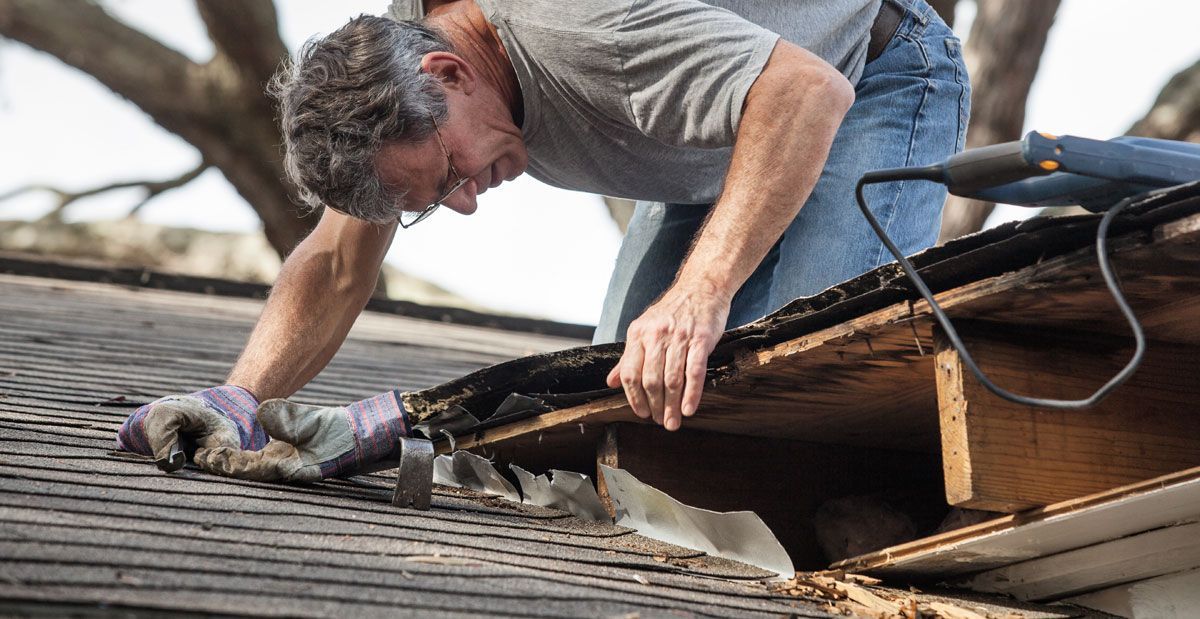
In The Woodlands, winter is one of the smartest seasons to schedule roof maintenance. December and the early winter months offer mild temperatures, lower humidity and fewer storm systems, which makes it easier for roofing professionals to inspect the roof and complete preventive repairs without weather interference.
More importantly, winter gives homeowners the opportunity to strengthen their roof before the Gulf Coast enters its wettest period. From sealing exposed areas on metal roofs to replacing worn roof vents and updating flashing, winter maintenance can significantly increase a roof’s resilience and prevent moisture problems long before heavy rain returns.
The Woodlands Winter Weather Offers a Window of Opportunity
Gulf Coast weather has a reputation for unpredictability, but there is one clear pattern homeowners can trust. December through February typically bring fewer severe storms and fewer long rain systems, creating more workable roofing days, while spring brings sustained rainfall, thunderstorms, hail risk and higher winds.
If a roof already has small vulnerabilities such as cracked flashing, loose shingles, deteriorating vent boots or unsealed metal seams, spring weather will reveal them quickly. Scheduling maintenance in December or January means repairs can be completed during mild conditions rather than waiting until leaks develop during the rainy season.
Winter Is the Ideal Time to Address Metal Roof Seams and Sealants
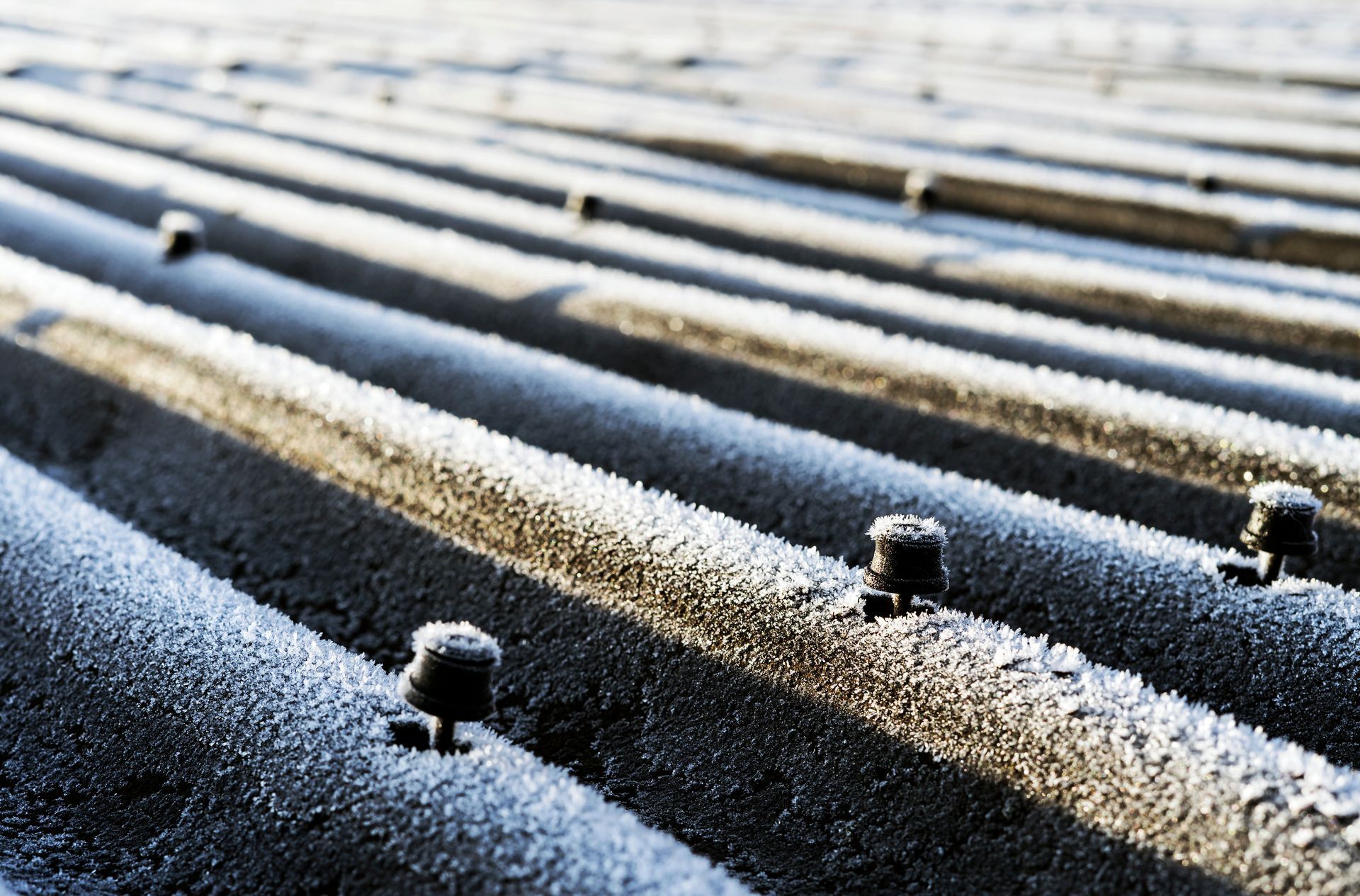
Asphalt shingle roofs rely mostly on flashing, underlayment and proper shingle overlap for waterproofing. Metal roofs, however, have fasteners, panel joints, ridge caps and end laps that require periodic sealing to prevent moisture intrusion. These areas can become exposed when metal expands during hot weather and contracts in cooler temperatures.
Winter is one of the best times to inspect and reseal these components because sealants often cure more evenly in cooler weather. Metal is also in its contracted state, making gaps or separation points easier to identify.
Common winter maintenance tasks for metal roofs include:
- Resealing ridge cap joints
- Applying sealant to panel seams
- Replacing or tightening weathered fasteners
- Repairing gaps around skylights or roof penetrations
If these areas are ignored, even small openings on metal roofs can allow water to enter during spring storms.
Roof Vents Are Easier to Repair or Replace in Winter
Roof vents such as ridge vents, box vents, turtle vents and plumbing boots are among the most frequent causes of roof leaks. Texas summers expose them to harsh sun, heat expansion and UV damage. By winter, many vents begin to show signs of:
- Cracked plastic
- Deteriorated or shrinking rubber seals
- Loose fasteners
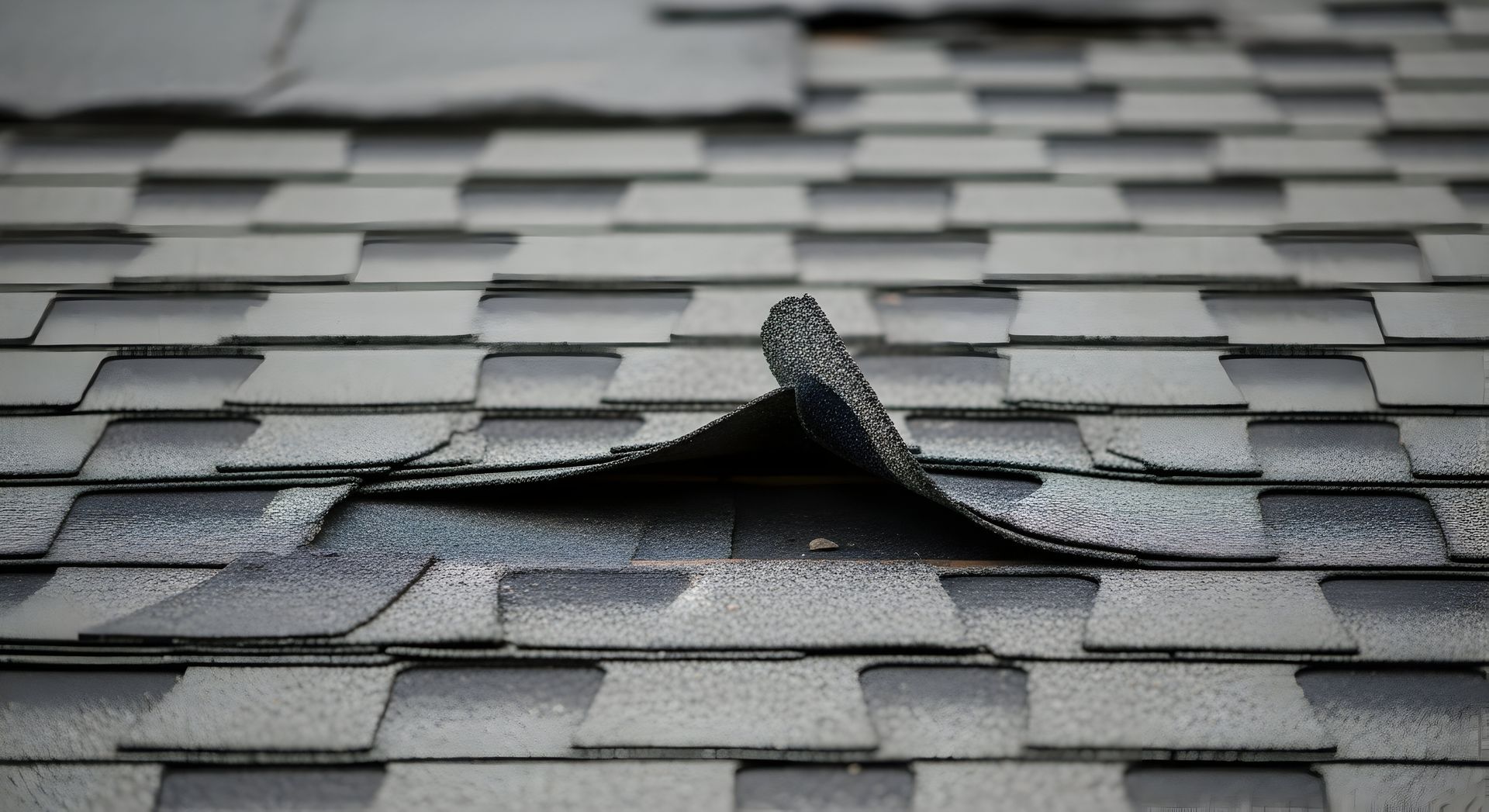
- Lifted shingles around the vent base
When the weather cools, shingles lie flatter and ventilation components are easier to inspect. Winter is an ideal time to determine whether vents need to be resealed, reinforced or replaced entirely. Addressing these issues early protects against moisture intrusion once spring rains begin.
Winter Is Perfect for Checking and Replacing Flashing
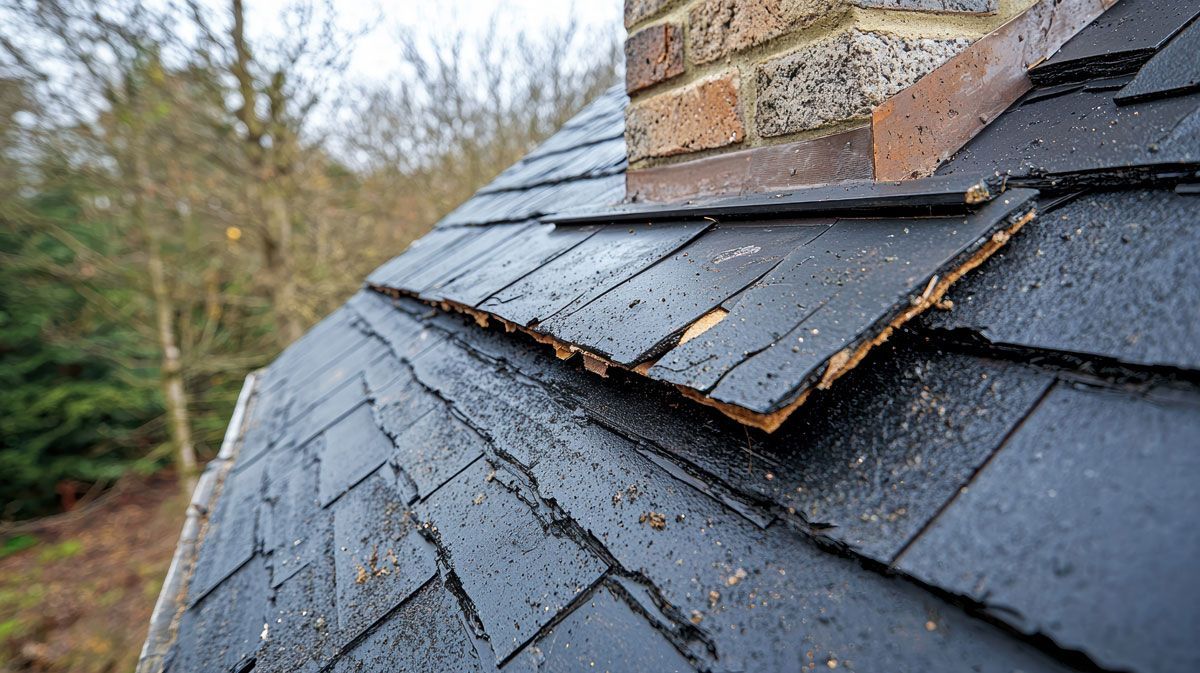
Flashing is one of the most important parts of the roofing system because it protects high-risk areas where water naturally tries to enter. This includes chimneys, dormers, sidewalls, valleys and roof penetrations.
Winter inspections allow roofers to identify flashing that is:
- Cracked
- Rusted
- Pulled away from the structure
- Improperly sealed
- Damaged by wind or debris
Gulf Coast storms put heavy pressure on flashing. Once flashing begins to separate or lose its seal, water can travel beneath shingles and soak the underlayment. Fixing flashing issues in winter ensures the roof can withstand months of wet weather without leaks.
December Is an Ideal Time for General Roof Health Assessments
- The roof is under less thermal stress
- Shingles are more stable compared to summer
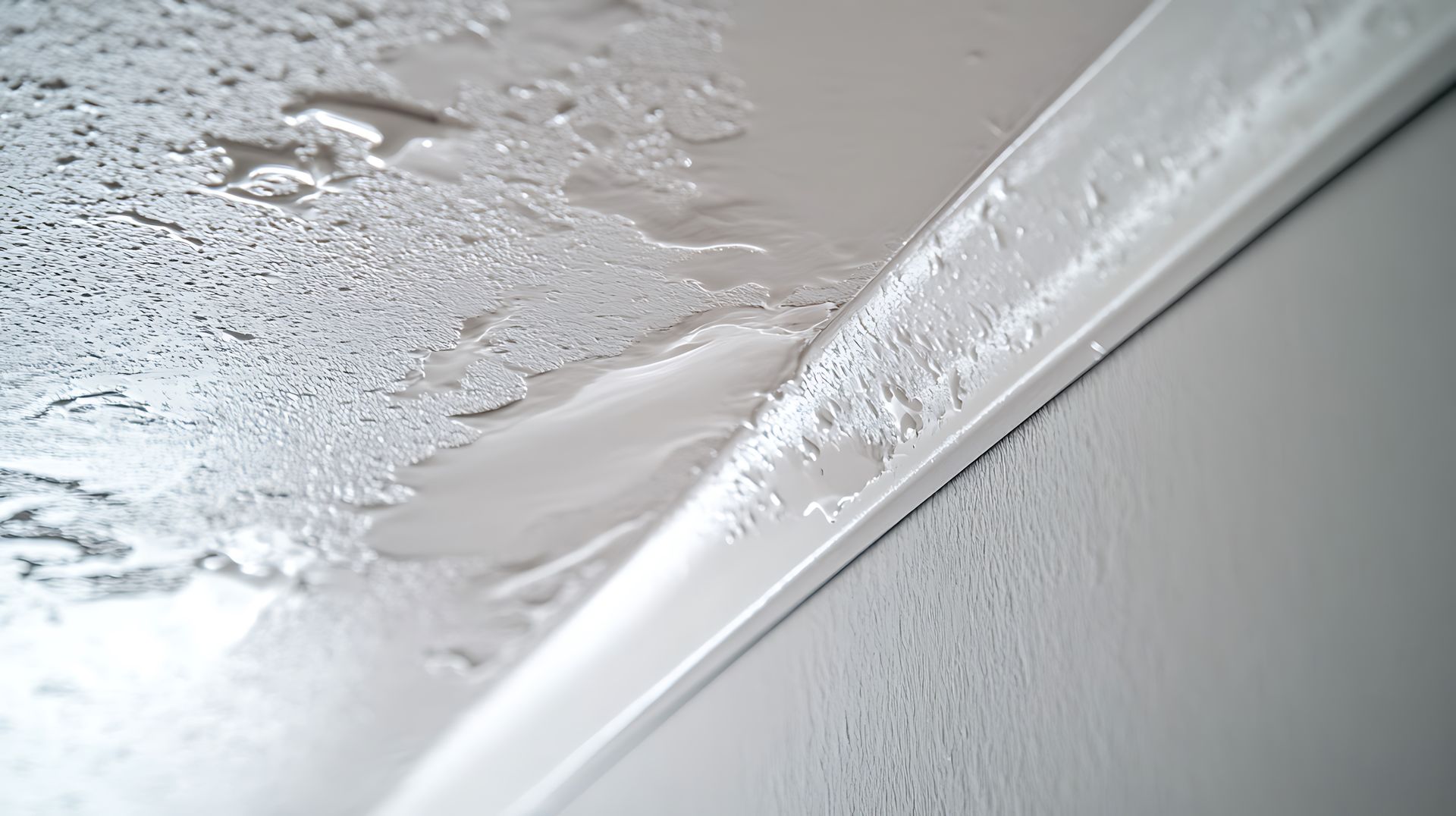
- Attics show moisture problems more clearly
- Roofers can work safely for longer periods due to cooler temperatures
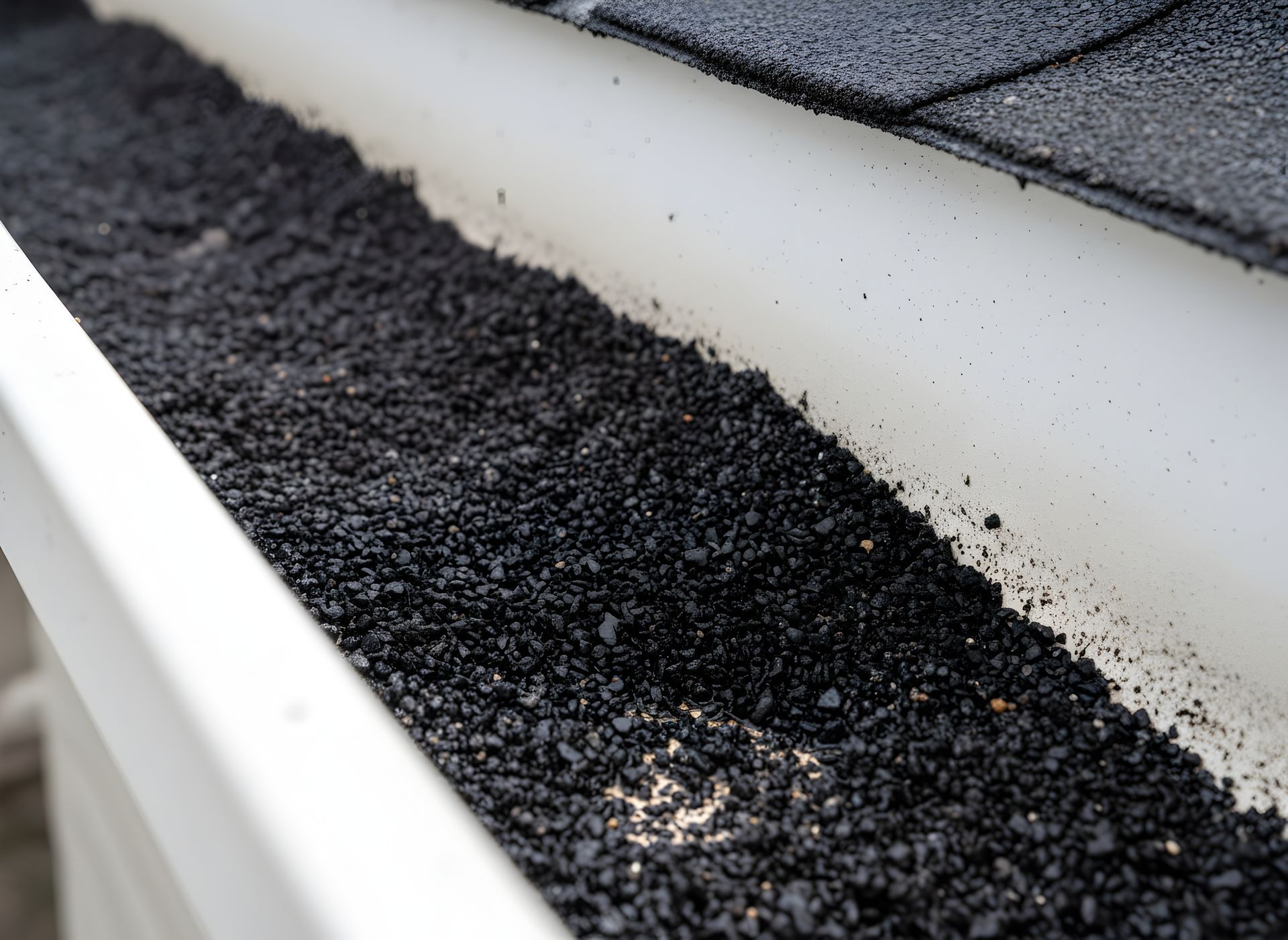
During an inspection, roofers can identify early signs of trouble, such as nail pops, granule loss, lifted shingles, clogged vents or minor punctures from debris. Fixing these issues in December or January prevents them from developing into active leaks during spring.
Prepare for Spring Weather in The Woodlands by Scheduling Your Roof Maintenance Today!
Winter provides the perfect opportunity to strengthen your roof before the most demanding weather of the upcoming year. Whether you need flashing repairs, metal roof seam sealing, vent replacements or a full inspection, Perkins Roofing is ready to help.
Contact Perkins Roofing today at (832) 702-0201 to schedule your winter roof maintenance.