Late-Fall Debris Management in The Woodlands
0 minute read
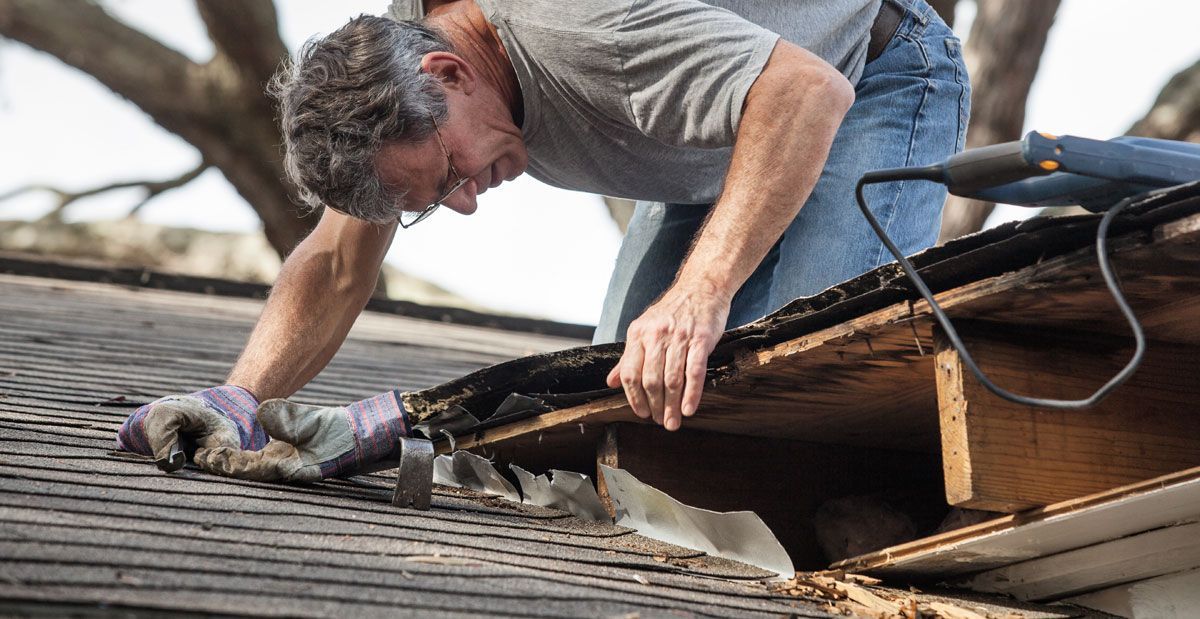
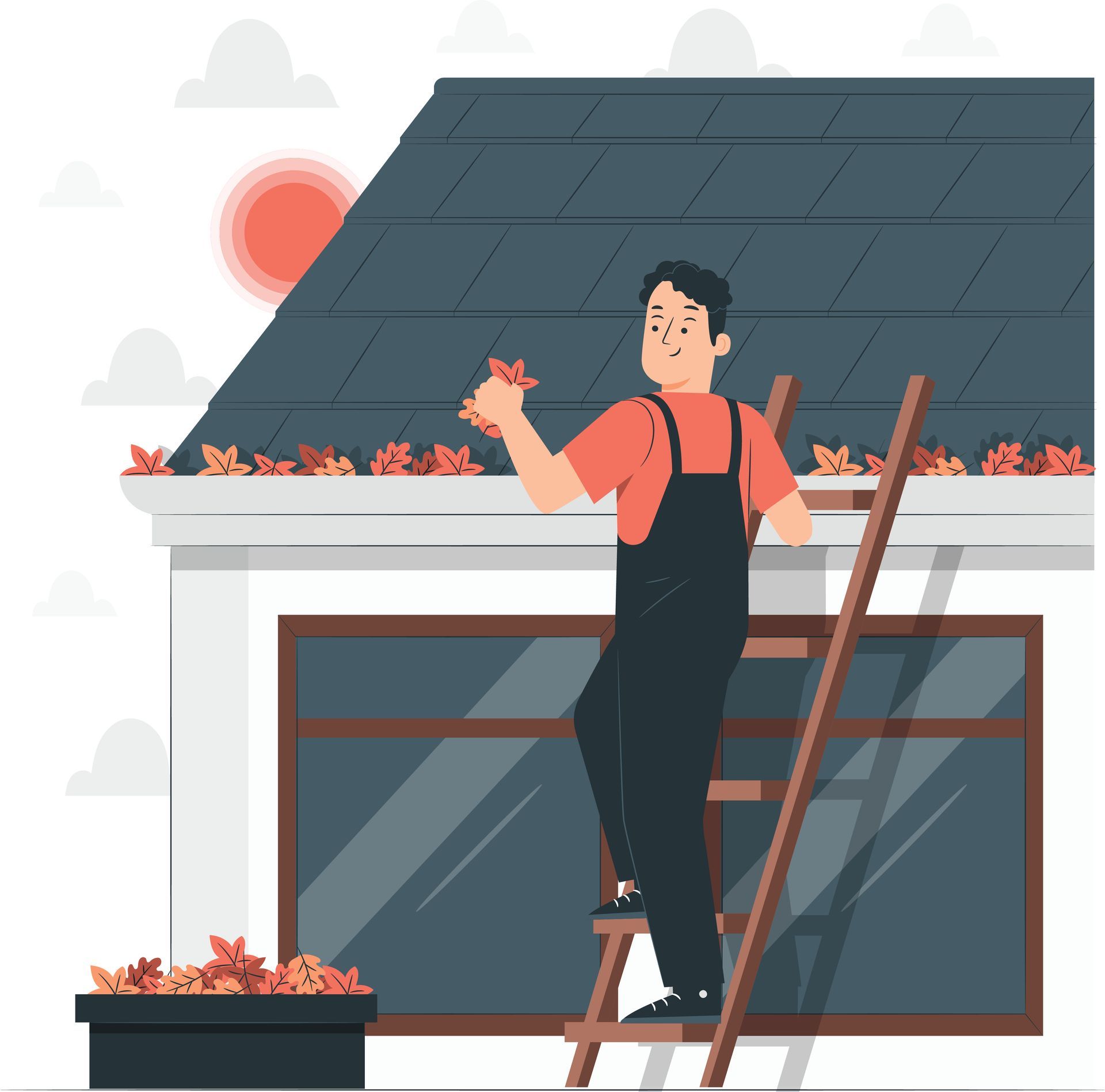
man cleaning debris off roof in the woodlands

The Woodlands may not be the most inventive name in Texas, but it's certainly one of the most literal. Towering oaks, pines and magnolias frame nearly every street and home, giving this master-planned community its lush, forested charm. But while the trees create a peaceful, scenic environment, they also bring a hidden challenge for homeowners each fall, roof debris buildup.


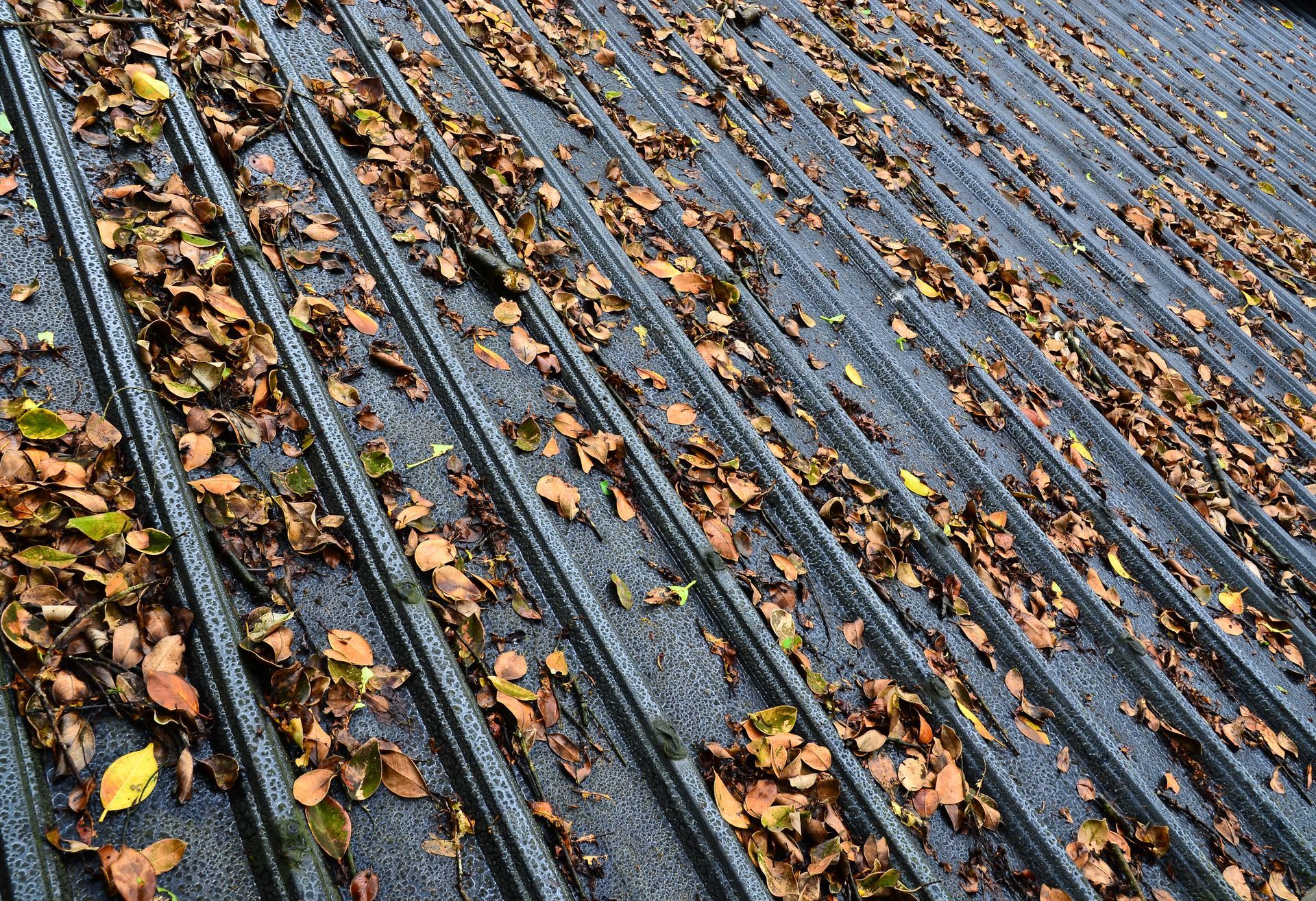
As the weather cools and the trees begin to shed their leaves, acorns, needles and pollen clusters can collect in roof valleys, gutters and around vent boots. For homes in The Woodlands, where large, complex rooflines are common, this debris can cause significant issues if left unchecked. Managing roof debris before winter arrives is one of the smartest maintenance steps homeowners can take to protect their investment and avoid costly repairs.


Why Late-Fall Roof Maintenance Matters

In a heavily wooded community like The Woodlands, debris management is not just about aesthetics, it’s about roof performance and longevity. By late fall, oak leaves and pine needles are at their peak drop. As winds shift and rains increase, this organic matter tends to settle in valleys and around flashing or vents.


The problem is that these areas are crucial to water drainage. Valleys guide rainwater toward gutters, while flashing and vent boots seal vulnerable openings. When they become clogged or covered, water can pool and seep beneath the shingles, leading to leaks and rot over time.


Even small piles of leaves can retain moisture for days, softening roofing materials and creating the perfect environment for algae and mold growth. In short, what starts as a layer of debris in November can easily turn into roof damage by February if ignored.


The Unique Challenge of Roofs in The Woodlands

Many homes in The Woodlands feature steep pitches, multiple gables, dormers and architectural valleys that make them visually stunning, but also more vulnerable to debris buildup. These intricate roof designs trap leaves and pine needles in places that are difficult to reach or see from the ground.


Luxury roofing materials such as cedar shakes, high-end asphalt shingles and standing-seam metal panels all require specialized cleaning and care. Debris that sits too long on these surfaces can stain or deteriorate protective coatings.


Even well-designed gutter systems with gutter guards can struggle to handle the sheer volume of falling leaves and needles in this area. Pine needles, in particular, are notorious for slipping through standard gutter guards and forming thick mats that block water flow.


What Late-Fall Debris Can Do to Your Roof


  • Clogged roof valleys – Water can no longer flow freely, forcing it to back up under shingles.
  • Blocked gutters and downspouts – Overflowing gutters allow water to run down siding or pool near the foundation.
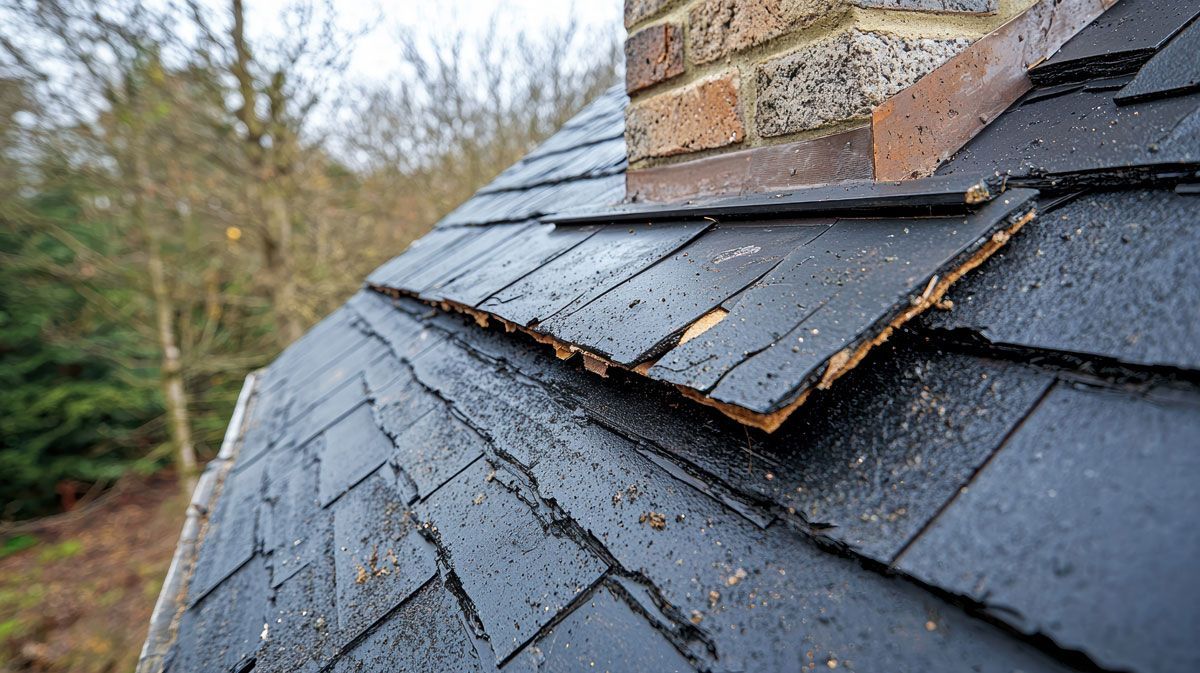
  • Damaged vent boots and flashing – Trapped leaves and needles hold moisture against rubber and metal components, causing cracks and corrosion.
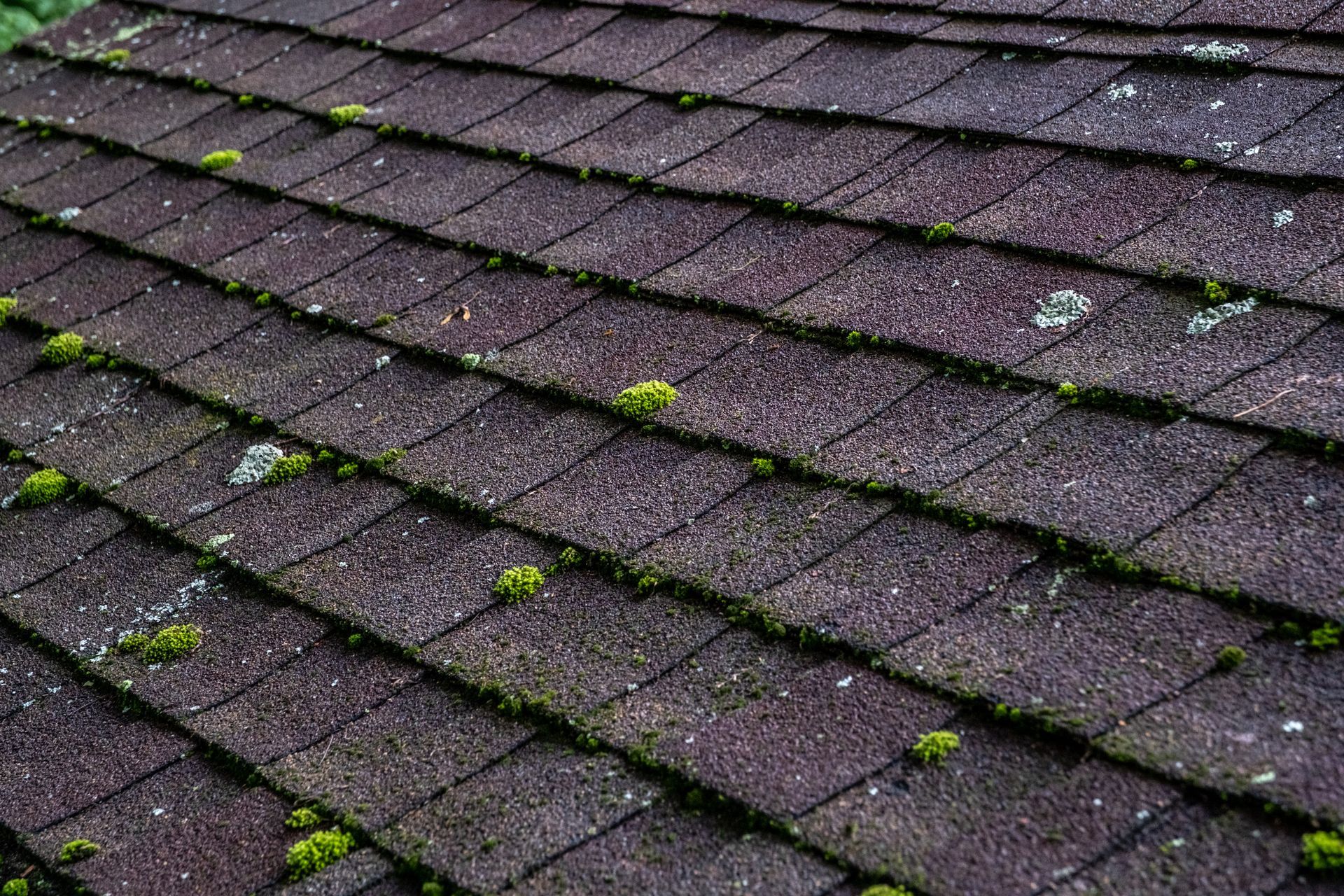
  • Moss and algae growth – Damp organic matter feeds growth that can spread across shingles and deteriorate the roof’s surface.
  • Pollen buildup and staining – During the transition from fall to winter, pollen from live oaks and pine trees can mix with moisture, leaving behind yellow-green residue that’s difficult to clean.


How to Manage Roof Debris in Late Fall

Schedule a Professional Roof Inspection

An experienced roofer can safely access hard-to-reach areas, clear debris from valleys and check for hidden damage. They can also verify that flashing and vent boots are intact and that gutters are functioning properly.


Clean Gutters and Downspouts

Make sure water can flow freely away from your roof and foundation. Hiring a professional gutter cleaner before winter is the safest and most dependable to ensure heavy rainfall won’t cause overflow or pooling.


Trim Overhanging Branches

Reducing canopy coverage minimizes how much debris lands on your roof and allows sunlight to reach and dry out damp areas more quickly.


Use Specialized Gutter Guards

In heavily wooded areas like The Woodlands, fine-mesh guards or solid-surface covers work best for blocking pine needles and oak pollen.


Keep an Eye on Roof Valleys

Valleys handle large volumes of water, so they should always be clear. Even small amounts of buildup can lead to leaks along seams.


Why Local Expertise Matters

The combination of dense tree coverage, heavy rainfall and humid conditions means that what works in other Texas regions might not hold up here. Local roofing professionals understand how to care for complex residential roofs and know which areas are most vulnerable to leaf and needle accumulation.


Experienced roofers can identify early warning signs of damage that might not be obvious from the ground, such as rusted flashing, compromised vent boots or deteriorated underlayment beneath clogged valleys. With regular inspections and cleaning, these issues can be corrected before they develop into costly leaks.


Trust Our Roofers for Fall and Winter Roof Care in The Woodlands

At Perkins Roofing, we know the unique roofing challenges homeowners in The Woodlands face each fall. Our team provides thorough debris removal, valley cleaning and roof inspections tailored to the area’s dense tree coverage and high-end roofing systems.


Call Perkins Roofing today at (832) 702-0201 to book your roof cleaning and inspection before winter arrives and give your home the protection it deserves.
By Matthew Perkins December 30, 2025
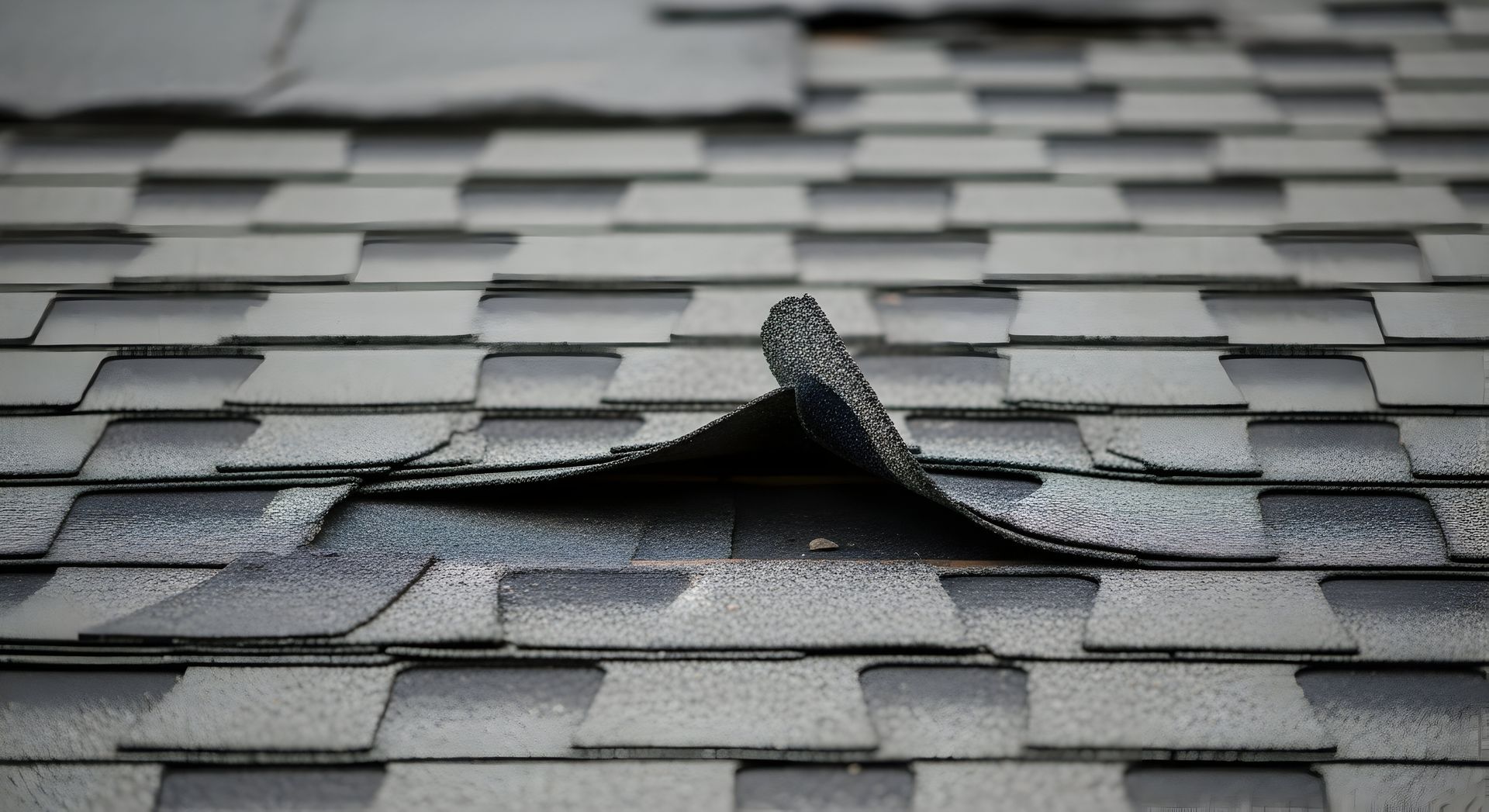
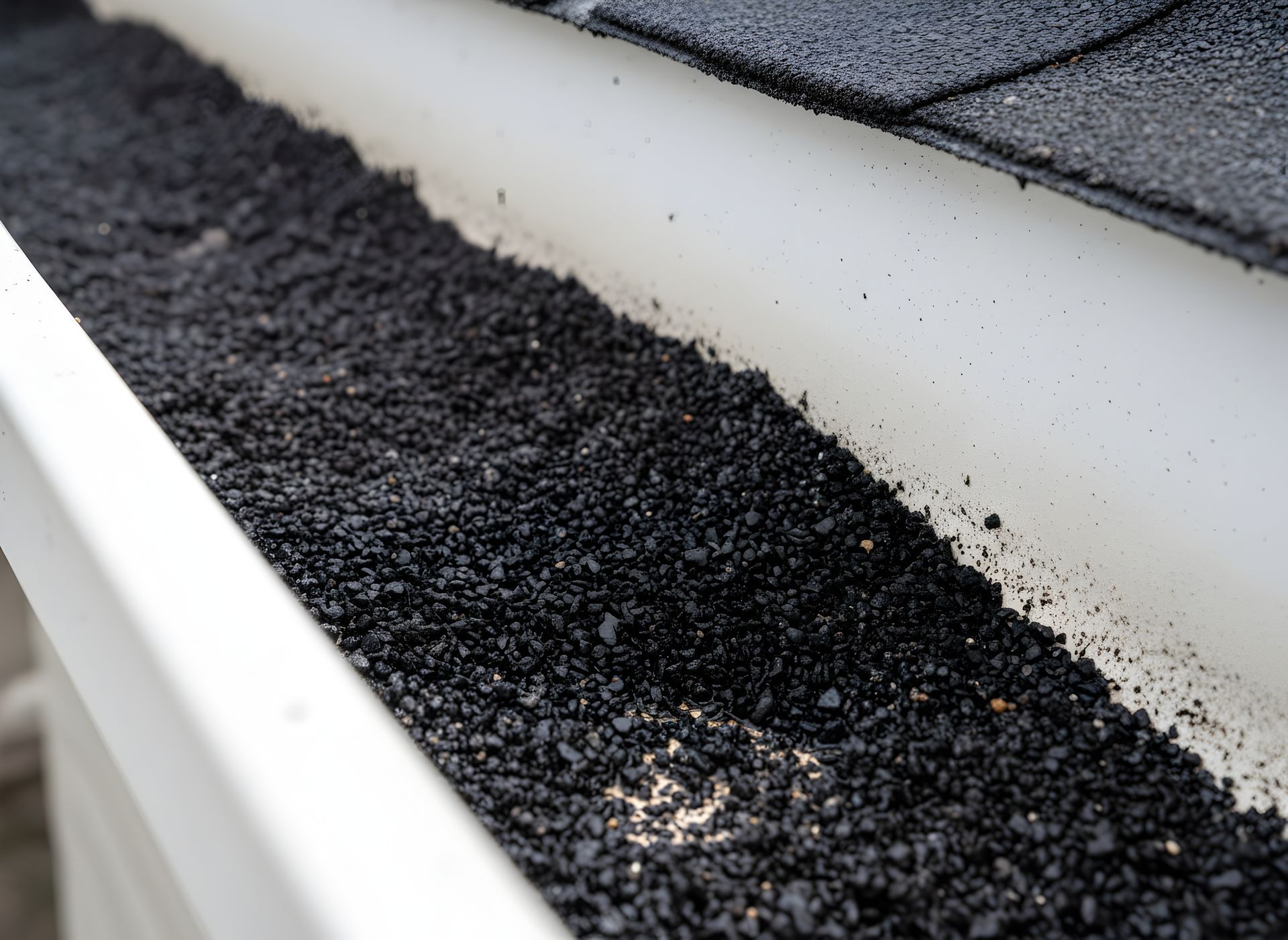
In The Woodlands, winter is one of the smartest seasons to schedule roof maintenance. December and the early winter months offer mild temperatures, lower humidity and fewer storm systems, which makes it easier for roofing professionals to inspect the roof and complete preventive repairs without weather interference. More importantly, winter gives homeowners the opportunity to strengthen their roof before the Gulf Coast enters its wettest period. From sealing exposed areas on metal roofs to replacing worn roof vents and updating flashing, winter maintenance can significantly increase a roof’s resilience and prevent moisture problems long before heavy rain returns. The Woodlands Winter Weather Offers a Window of Opportunity Gulf Coast weather has a reputation for unpredictability, but there is one clear pattern homeowners can trust. December through February typically bring fewer severe storms and fewer long rain systems, creating more workable roofing days, while spring brings sustained rainfall, thunderstorms, hail risk and higher winds. If a roof already has small vulnerabilities such as cracked flashing, loose shingles, deteriorating vent boots or unsealed metal seams, spring weather will reveal them quickly. Scheduling maintenance in December or January means repairs can be completed during mild conditions rather than waiting until leaks develop during the rainy season. Winter Is the Ideal Time to Address Metal Roof Seams and Sealants Asphalt shingle roofs rely mostly on flashing, underlayment and proper shingle overlap for waterproofing. Metal roofs, however, have fasteners, panel joints, ridge caps and end laps that require periodic sealing to prevent moisture intrusion. These areas can become exposed when metal expands during hot weather and contracts in cooler temperatures. Winter is one of the best times to inspect and reseal these components because sealants often cure more evenly in cooler weather. Metal is also in its contracted state, making gaps or separation points easier to identify. Common winter maintenance tasks for metal roofs include: Resealing ridge cap joints Applying sealant to panel seams Replacing or tightening weathered fasteners Repairing gaps around skylights or roof penetrations If these areas are ignored, even small openings on metal roofs can allow water to enter during spring storms. Roof Vents Are Easier to Repair or Replace in Winter Roof vents such as ridge vents, box vents, turtle vents and plumbing boots are among the most frequent causes of roof leaks. Texas summers expose them to harsh sun, heat expansion and UV damage. By winter, many vents begin to show signs of: Cracked plastic Deteriorated or shrinking rubber seals Loose fasteners Lifted shingles around the vent base When the weather cools, shingles lie flatter and ventilation components are easier to inspect. Winter is an ideal time to determine whether vents need to be resealed, reinforced or replaced entirely. Addressing these issues early protects against moisture intrusion once spring rains begin. Winter Is Perfect for Checking and Replacing Flashing Flashing is one of the most important parts of the roofing system because it protects high-risk areas where water naturally tries to enter. This includes chimneys, dormers, sidewalls, valleys and roof penetrations. Winter inspections allow roofers to identify flashing that is: Cracked Rusted Pulled away from the structure Improperly sealed Damaged by wind or debris Gulf Coast storms put heavy pressure on flashing. Once flashing begins to separate or lose its seal, water can travel beneath shingles and soak the underlayment. Fixing flashing issues in winter ensures the roof can withstand months of wet weather without leaks. December Is an Ideal Time for General Roof Health Assessments The roof is under less thermal stress Shingles are more stable compared to summer Attics show moisture problems more clearly Roofers can work safely for longer periods due to cooler temperatures During an inspection, roofers can identify early signs of trouble, such as nail pops, granule loss, lifted shingles, clogged vents or minor punctures from debris. Fixing these issues in December or January prevents them from developing into active leaks during spring. Prepare for Spring Weather in The Woodlands by Scheduling Your Roof Maintenance Today! Winter provides the perfect opportunity to strengthen your roof before the most demanding weather of the upcoming year. Whether you need flashing repairs, metal roof seam sealing, vent replacements or a full inspection, Perkins Roofing is ready to help. Contact Perkins Roofing today at (832) 702-0201 to schedule your winter roof maintenance.
By Matthew Perkins December 22, 2025
Brick chimneys add charm and character to a home, but they are also one of the most misunderstood sources of winter moisture problems. When temperatures drop and Gulf-region weather turns damp and chilly, many homeowners notice water stains around ceilings, attic framing, or walls near the chimney. Sometimes they even see water dripping during cold snaps or after a freeze-thaw cycle, despite having a roof that appears to be in perfect shape. Because these symptoms resemble a roofing failure, the first instinct is often to assume that shingles, flashing, or underlayment are to blame. But in many cases, the culprit is not the roof at all; it’s the chimney itself. Brick, mortar, and masonry components absorb moisture, and once saturated, they allow water to travel in ways that look exactly like a leak. Why Chimney Leaks Are So Common in Winter Chimneys endure harsher weather exposure than almost any other part of the home. They stand above the roofline, where wind, rain, sleet, and rapid temperature swings during winter cold fronts hit them directly from all sides. Brick and mortar are durable, but they are not waterproof. When the winter climate combines cold nights, high humidity, and fluctuating temperatures, moisture problems become more likely. The main factor contributing to winter chimney leaks is the porousness of masonry, which can absorb moisture from rain and humidity. The material allows water to migrate through bricks and mortar, drip into the attic, and create stains far from the actual entry point. Fluctuating temperatures can also cause expansion and contraction, leading to cracks that worsen the problem. The Hidden Source of “Leaks” Brick and mortar contain tiny pores that naturally absorb moisture. During wet winter weather, these pores fill with water, and low temperatures slow evaporation. As moisture builds inside the chimney structure, it begins traveling inward through the masonry. This can result in: Damp sheathing or rafters in the attic Brown stains on ceilings near the chimney Drips hours after rainfall has stopped Moisture appearing even during light drizzle or mist Because the water originates from the masonry surface rather than the roof system, it trickles into the home unpredictably. This is why masonry-related leaks often confuse homeowners; the roof may be in perfect condition, yet moisture still appears inside. Older chimneys are particularly vulnerable because mortar joints wear down and become even more absorbent over time. Other Chimney-Related Causes of Leaks Failing Chimney Crowns The chimney crown is the concrete “lid” at the top. This prevents water from entering the chimney structure. When it cracks, winter moisture seeps through the top and runs down the interior walls of the chimney stack. Damaged or Missing Chimney Caps Without a cap, rain can enter the flue directly. Water then travels downward inside the chimney and may appear hours later, making the true source of the leak difficult to identify. Flashing Failure Chimney flashing seals the area where the roof meets the chimney. When flashing pulls away, corrodes, or is improperly installed, water can infiltrate during rainstorms. Unlike masonry leaks, flashing leaks typically show a more concentrated stain near the roofline. Expired Waterproofing Many chimneys are treated with breathable waterproofing products that protect against absorption, but these coatings eventually wear off. When they do, the chimney becomes exposed again and begins absorbing moisture at a rapid rate. How to Tell if the Chimney Is Causing the Leak Chimney leaks often have specific patterns: Moisture appears during extended cold, wet weather, not just storms Stains or drips occur even after rainfall ends Water seems to originate higher in the attic or along the chimney structure The shingles around the chimney are dry and undamaged If these signs sound familiar, the chimney is likely the root cause, not the roofing system. Preventing Winter Chimney Leaks Depending on the specific situation, you can call a roofer or chimney repair company to: Apply a vapor-permeable masonry sealant to repel water while letting the brick breathe Repoint deteriorating mortar joints to reduce moisture absorption Repair cracked chimney crowns and ensure proper drainage Install or replace chimney caps to keep out wind-driven precipitation Reinforce flashing and counterflashing for a proper watertight seal Address attic ventilation issues that may trap moisture around the chimney Protect Your Home From Chimney Leaks With Perkins Roofing Winter chimney leaks can be hard to diagnose, but the experts at Perkins Roofing know how to identify whether the problem is masonry absorption, flashing failure or another hidden issue. Contact Perkins Roofing today for a professional chimney assessment by calling (832) 702-0201.
By Matthew Perkins December 18, 2025
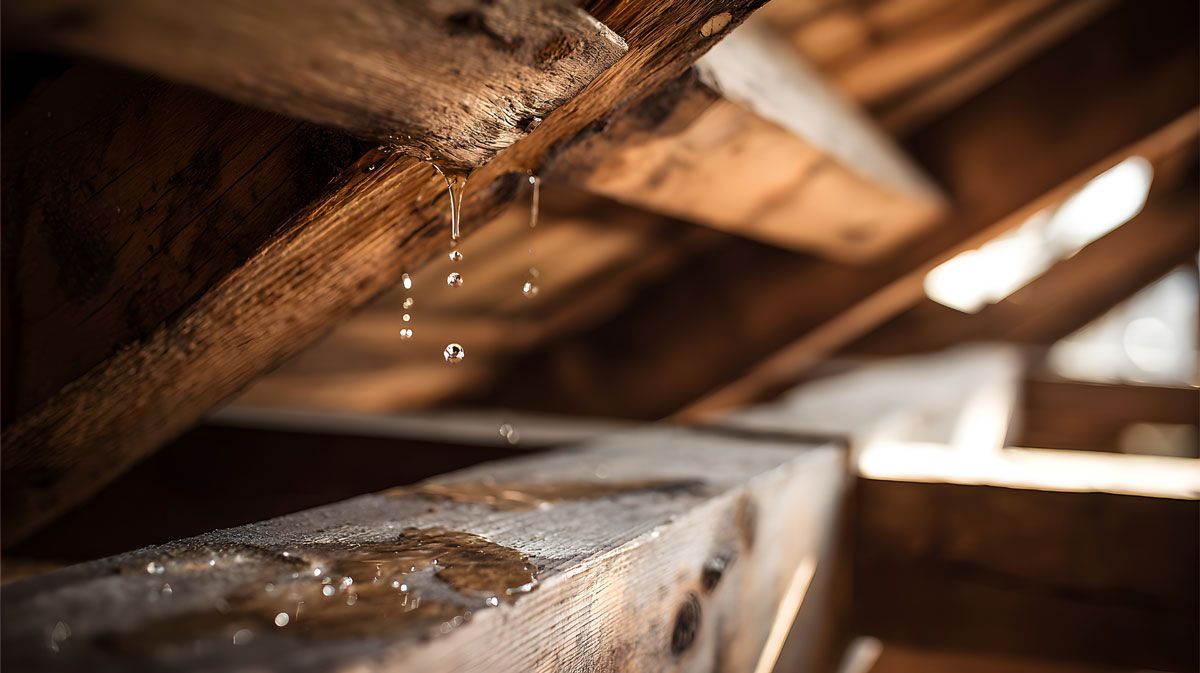
A wet attic or damp ceiling is always a reason to pay attention, but it is not always a sign of an active roof leak. In the Gulf region, where cool nights, high humidity, and sudden temperature swings are common, condensation can create moisture problems that look nearly identical to a leak. Homeowners often climb into the attic expecting to find a clear exterior water entry point, only to discover that the moisture is coming from inside the home rather than outside. Why Condensation Is So Common in Gulf Climates On the Gulf Coast, warm days and cool, humid nights create a perfect environment for attic condensation. When exterior temperatures drop quickly after sunset, the roof deck cools down faster than the moist air trapped inside the attic. As that warm, humid air rises and meets the colder wood surface, it condenses into water droplets. This is similar to how a cold drink “sweats” in summer. During cool, humid conditions, homeowners may notice: Wet or damp roof sheathing Moisture beads forming on nails or metal fasteners Small drops of water collecting on rafters A musty smell that seems to come and go Because this moisture forms directly on the wood, it can look very similar to a leak. Signs You’re Likely Dealing With Condensation Condensation tends to follow specific patterns. If you notice the following, there is a high chance the moisture is coming from inside the attic, not from outside. Moisture appears only after cold nights: If the attic is dry during warm weather but damp after temperature swings, condensation is a likely culprit. The underside of the roof deck looks uniformly damp: Leaks usually produce localized wet spots. Condensation often covers large areas of sheathing. Nail tips appear damp or rusted: Cool attic surfaces and humid air can cause condensation to form on exposed metal fasteners. As that moisture accumulates, it may drip onto insulation or ceilings and mimic a roof leak. No clear entry point exists: Leaks typically trace back to a specific damaged shingle, vent boot, flashing point or roof penetration. Condensation usually has no obvious source. The attic feels humid or poorly ventilated: Little airflow allows moisture to accumulate and cling to cold surfaces. If these signs match what you are seeing, the issue may be ventilation, not a failed roof system. What a “Real” Roof Leak Looks Like A true roof leak means water is entering from outside and requires immediate action. The signs are noticeably different once you know what to look for. Staining on ceilings or walls: Leaks often leave brown or yellow stains as water seeps through drywall. Isolated wet spots: Unlike condensation, leaks usually affect a specific area below the damaged section of roof. Mold growth concentrated in one place: Moisture from leaks creates persistent dampness that leads to mold in a defined location. Visible roof damage: Damaged shingles, lifted flashing, missing shingles, or punctures from falling debris often accompany leaks. Moisture during or right after rainstorms: If wetness appears only when it rains, not on cold, clear nights, you are likely dealing with a leak. Condensation, on the other hand, may show up even after days with no rain at all. Why Misdiagnosing the Problem Can Be Costly Treating condensation like a roof leak may lead to unnecessary roof replacements or repairs that do not address the real issue. Meanwhile, condensation problems can continue to worsen, causing: Mold and mildew Insulation damage Wood rot Poor indoor air quality Premature roof deterioration On the other hand, mistaking a leak for condensation can allow water intrusion to continue unchecked. That can damage ceilings, walls, electrical systems, and structural components. Correct diagnosis is critical, especially in a humid Gulf climate where both issues can occur. How to Prevent Condensation in the Attic Ensure proper ventilation: Ridge vents, soffit vents and baffles help keep air circulating. Reduce indoor humidity: Bathroom fans, kitchen exhausts and whole-home dehumidifiers help limit moisture entering the attic. Air seal attic bypasses: Gaps around light fixtures, ductwork, plumbing penetrations and attic accesses allow warm air to rise into the attic. Add insulation if needed: Proper insulation keeps warm indoor air from reaching cold roof surfaces. When to Call a Professional Because condensation and leaks can look so similar, especially on the underside of roof sheathing, homeowners often need a trained eye to tell the difference. A roofing professional can identify the source of moisture, assess the extent of damage and recommend the right solution before the problem escalates. Get Expert Moisture Diagnosis and Roof Repair from Our Roofers in The Woodlands Whether you're dealing with condensation, a true leak or simply want peace of mind, Perkins Roofing can help. Our team understands the unique climate challenges of Gulf Coast homes and provides accurate inspections, straightforward answers and reliable roof repairs . Contact Perkins Roofing today by calling (832) 702-0201 to schedule your roof or attic evaluation and protect your home from moisture damage year-round.
By Matthew Perkins November 19, 2025
Heat-to-cool swings cause shingle micro-cracks, brittle sealant, and flashing splits—prime for leaks with first fronts. Schedule an inspection with Perkins Roofing in The Woodlands, TX.
By Matthew Perkins November 19, 2025
Pre-holiday roof cleaning? Avoid pressure washing, harsh cleaners, foot traffic, and gutter clogs. Book a safe clean with Perkins Roofing in The Woodlands, TX.
By Matthew Perkins October 31, 2025
Before Texas cold fronts, poor attic ventilation traps moisture, raises energy bills, and ages shingles. Schedule a pre-winter vent check with Perkins Roofing in The Woodlands, TX.
By Matthew Perkins October 29, 2025
Tiny wildlife punctures invite leaks, wet insulation, rot and mold—and can void warranties. Book a fast roof inspection with Perkins Roofing in The Woodlands, TX.
By Matthew Perkins October 29, 2025
Fall storms bring wind, debris and heavy rain that loosen shingles, clog gutters and cause leaks. Book a fall roof check at Perkins Roofing in The Woodlands, TX.
By Matthew Perkins September 22, 2025
In The Woodlands’ heat, storms & humidity, standing-seam metal lasts longer and resists wind; shingles win on upfront cost. Get a consult from Perkins Roofing in The Woodlands, TX.
By Matthew Perkins September 22, 2025
Filing a roof claim? Beware storm chasers—thin warranties, no follow-up. Choose a local, insured pro who works with adjusters. Perkins Roofing in The Woodlands, TX.